Recent POSTS
Featured
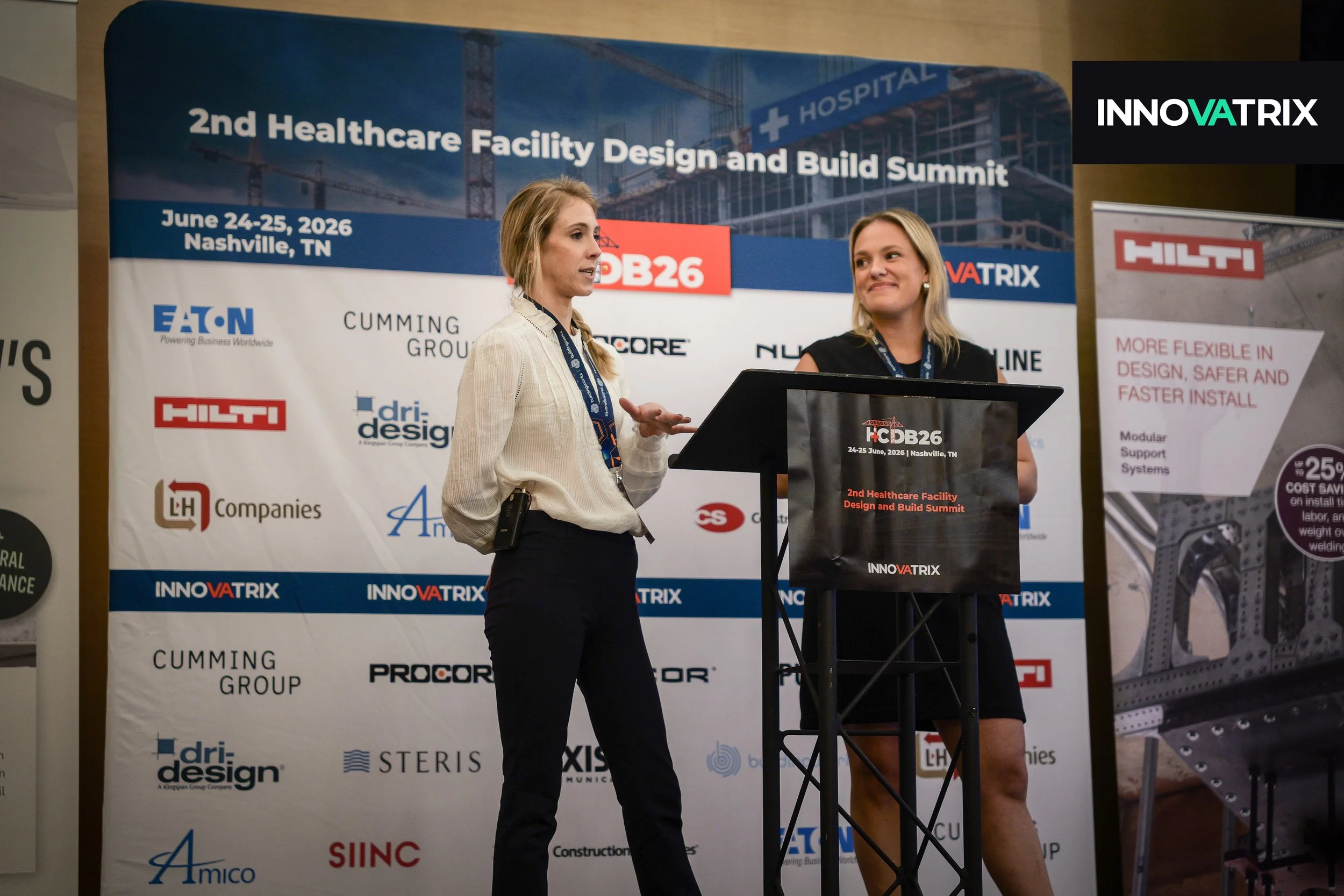
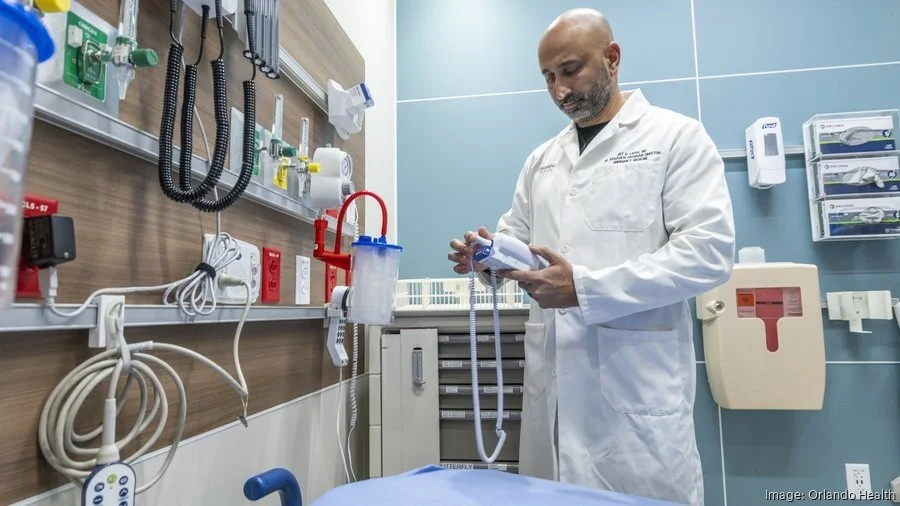

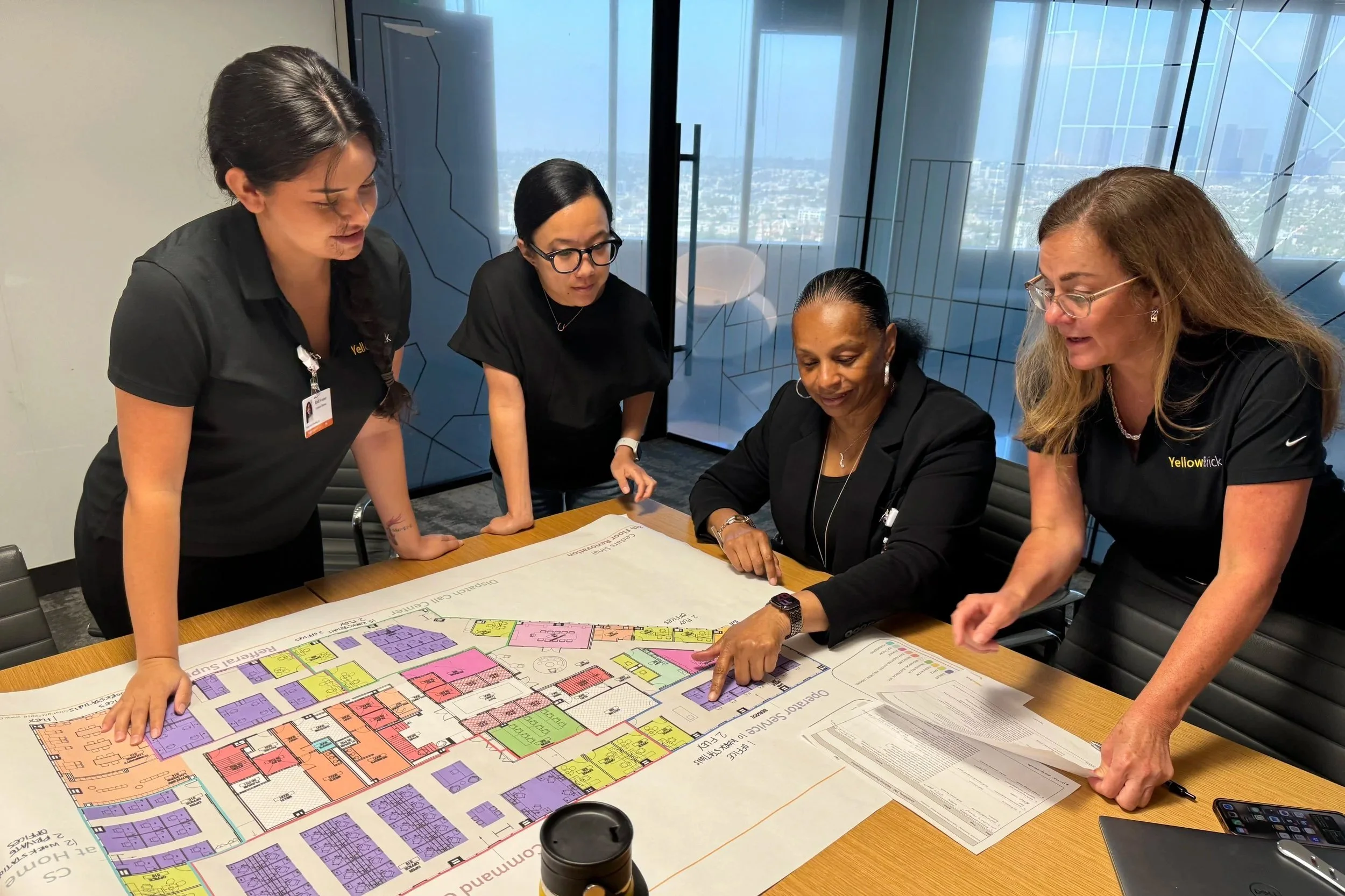
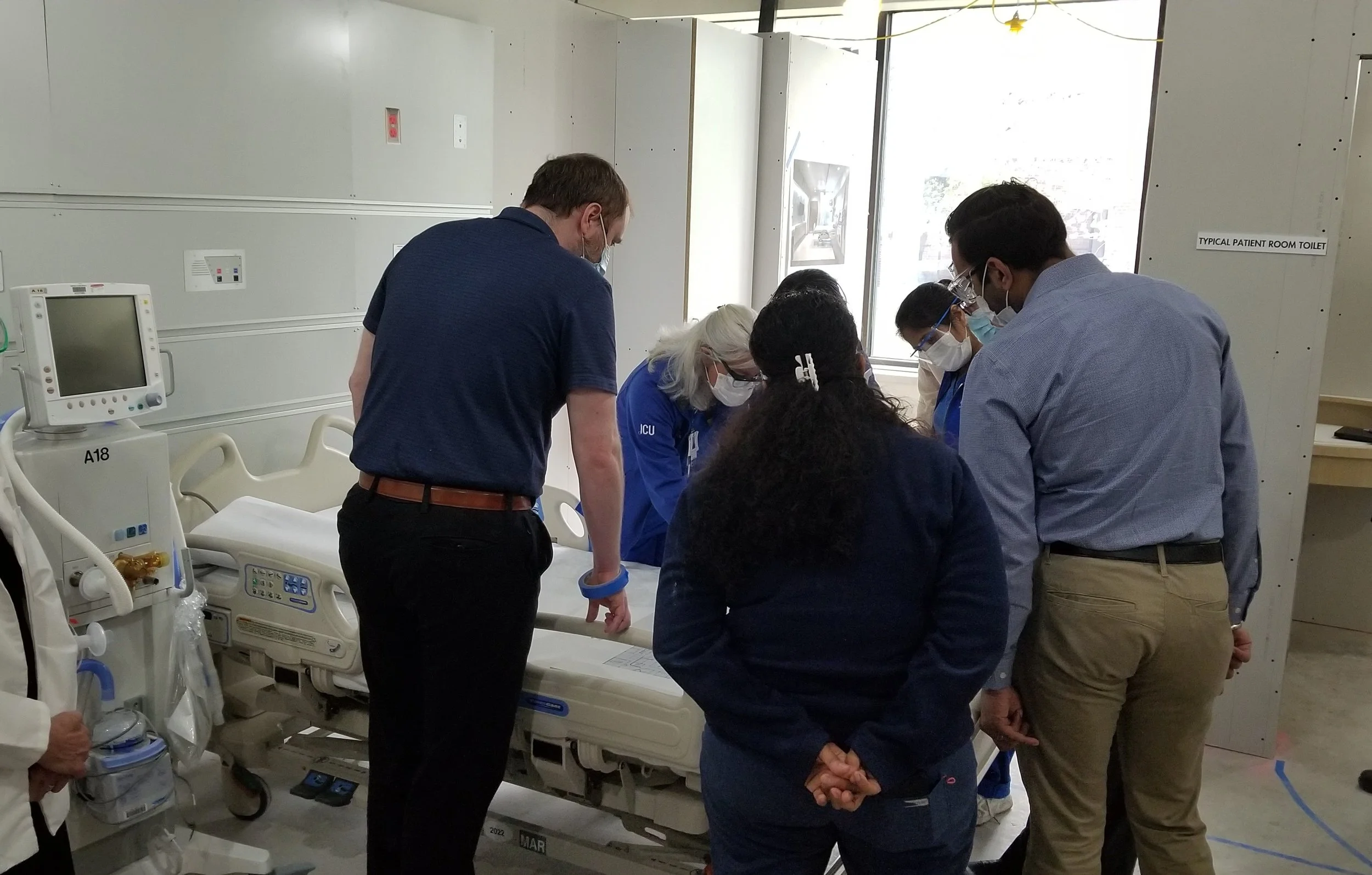
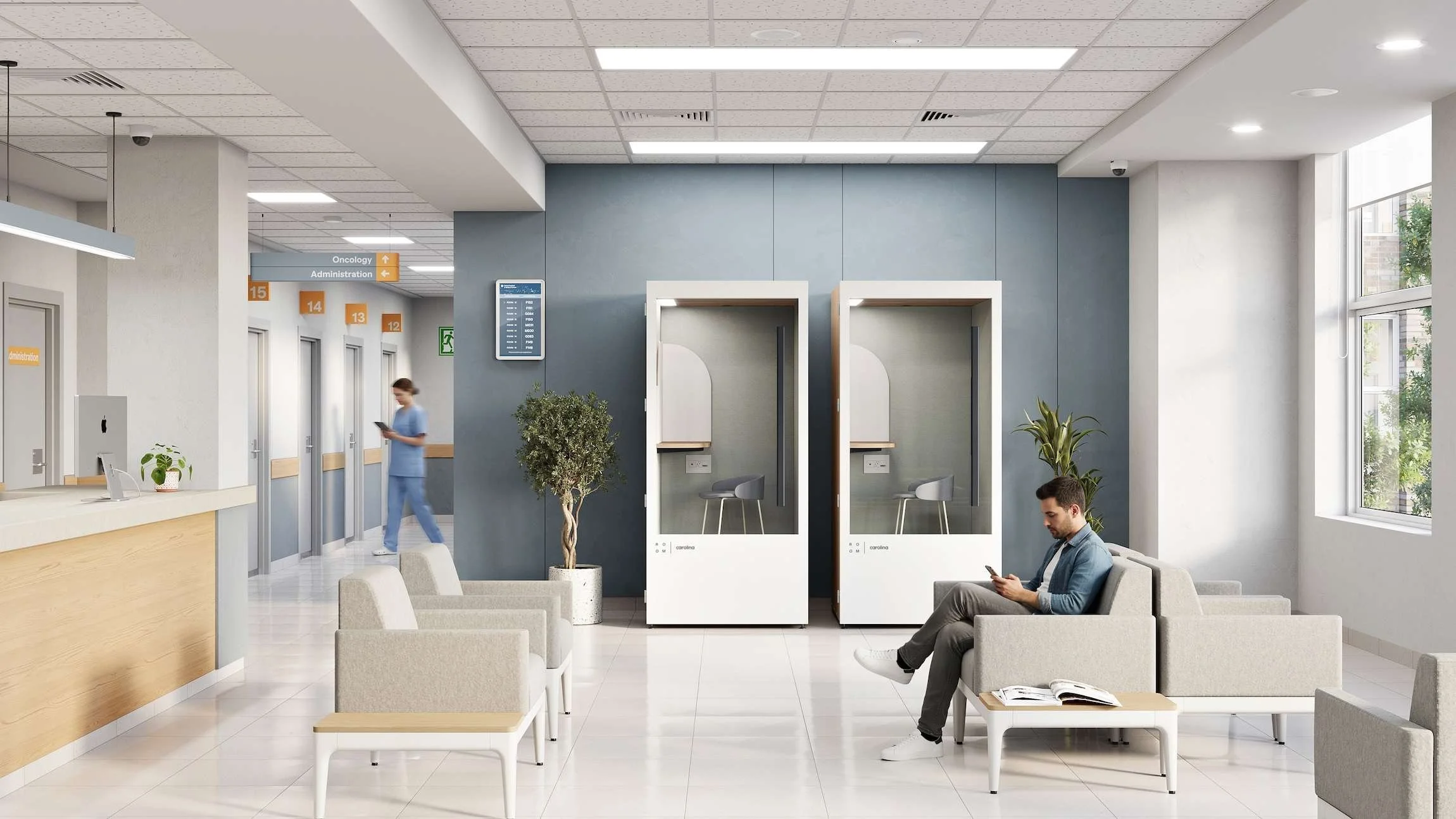

This blog highlights why nurses should be actively involved in healthcare technology design, using their firsthand clinical experience to ensure technology supports real-world workflows, patient care, and staff needs. From digital whiteboards and in-room cameras to digital signage and nurse call systems, the authors emphasize that successful technology requires early clinician involvement, unit-specific planning, ongoing evaluation, and thoughtful integration so technology makes care more human—not less.
The blog explains how healthcare headwalls serve as a foundational element of room design by improving workflow, safety, organization, infection control, and patient care. Paladin Healthcare emphasizes its adaptable headwall systems and integrated equipment management rail, which allow healthcare spaces to easily adjust to changing technology and care needs.
The blog challenges the idea that discovery is ever truly ours alone, suggesting that what feels like a new insight may be knowledge that another community, culture, discipline, or profession has long understood.
In healthcare design, meaningful innovation comes from approaching discovery with humility, recognizing diverse forms of expertise, and bringing existing knowledge together to create better environments for healing.
The blog explores the design tradeoffs between inboard and outboard toilets in hospital patient rooms, highlighting how placement can affect patient safety, staff visibility, privacy, plumbing costs, and overall patient experience.
The author emphasizes choosing the layout based on the patient population, care model, workflow, safety priorities, and input from frontline staff.
This blog, contributed by the American Academy of Healthcare Interior Designers (AAHID), highlights the essential role of nurses and clinical operations planners in creating safe, effective, patient-centered healthcare environments.
Through real-world examples, it demonstrates how collaboration between nurses, interior designers, architects, and engineers can address the details that impact patient safety, workflow, healing, and the overall care experience.
The writers emphasize that clinical expertise is not an add-on to healthcare design—it is a necessity from initial planning through post-occupancy evaluation.
This blog post discusses how acoustic privacy is a critical yet often overlooked element of healthcare design, directly affecting patient trust, communication, and overall wellbeing.
Drawing on both personal experience and research, it highlights how excessive noise can increase stress, hinder recovery, and even discourage patients from sharing important medical information, while emphasizing that thoughtful, clinician-informed design can create quieter environments that foster healing and stronger caregiver-patient relationships.
Sarah Couture's career has evolved from nursing and healthcare compliance leadership to entrepreneurship and interior design, bringing together her clinical expertise, strategic consulting experience, and passion for creating meaningful spaces. Today, she is focused on growing Sarah Couture Design, advancing her education in healthcare design, and exploring how residential design, aging in place, and healthcare environments can intersect to improve quality of life.
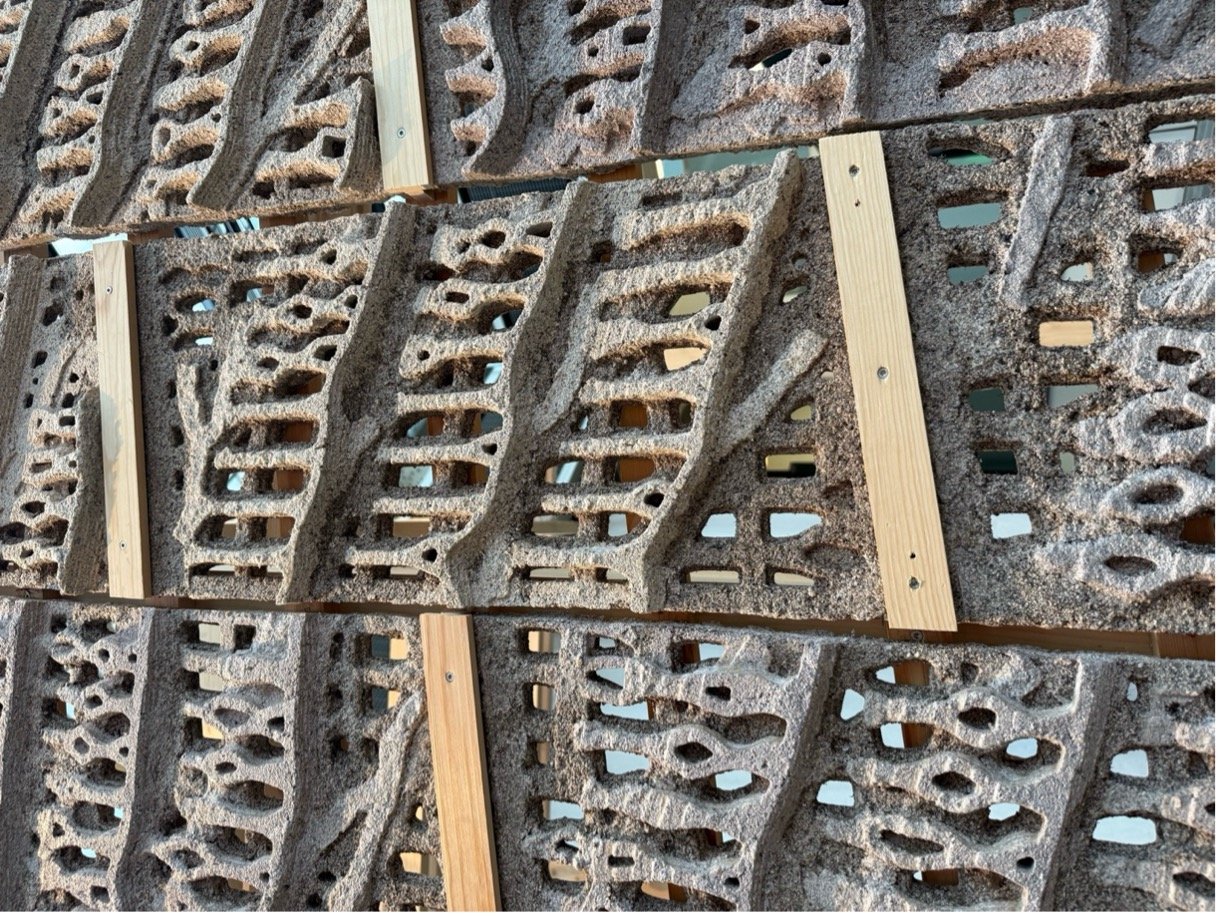
This blog reflects on lessons from Danish architecture, showing how constraints and real-world challenges can inspire innovative, functional design. Drawing parallels to healthcare, it emphasizes that the most meaningful improvements often come from listening to users' needs and solving practical problems, reminding nurses that thoughtful, human-centered design can be a powerful instrument of healing.
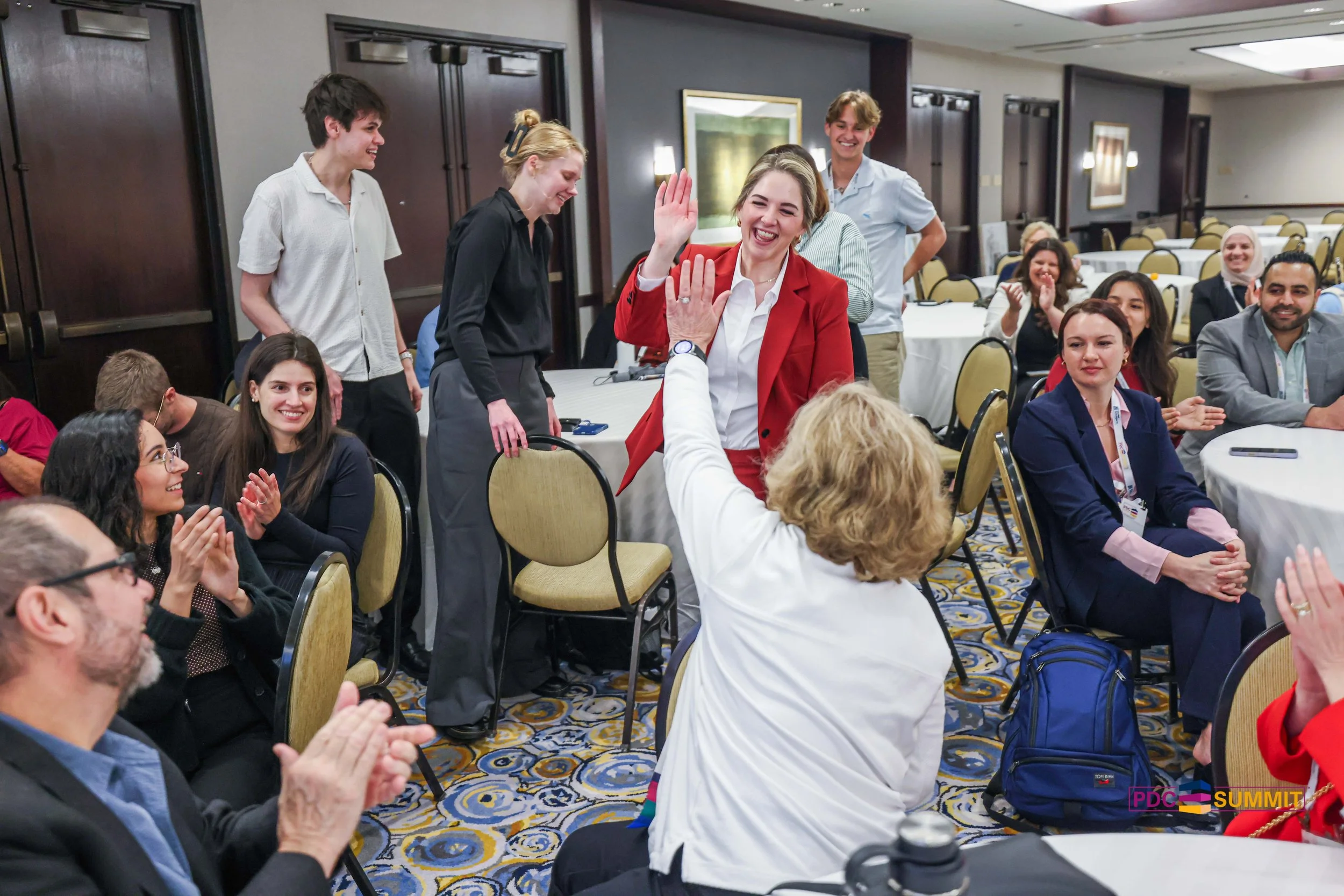
This blog by Dr. Seneca Perri Moore reflects on the 2026 PDC Student Design Challenge and the powerful role nursing students played in an interdisciplinary environment alongside architecture, engineering, and construction peers.
The experience showcased how nurses bring essential strengths—including systems thinking, leadership, adaptability, and a deep understanding of human-centered care—to the design of healthcare spaces. A compelling reminder that nursing is not only vital at the bedside, but also in shaping the future of healthcare environments.
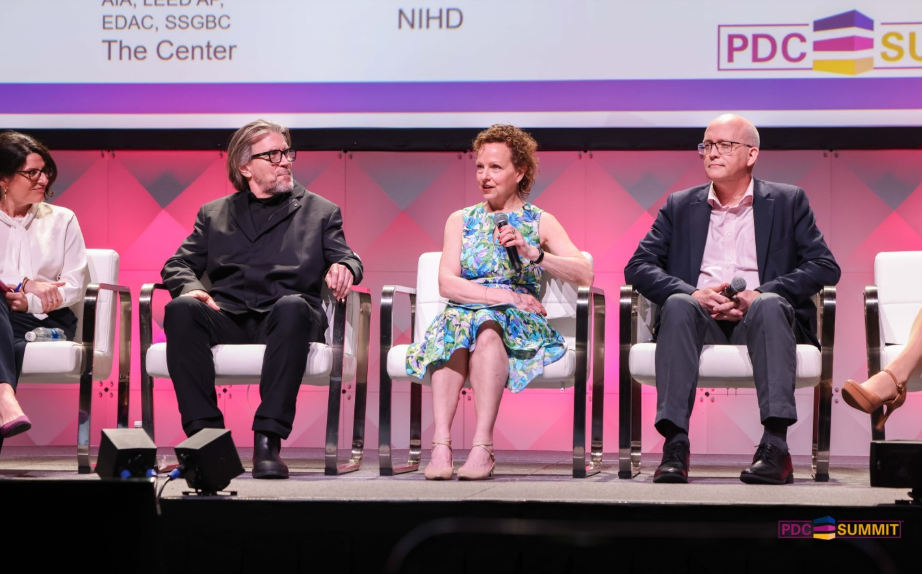
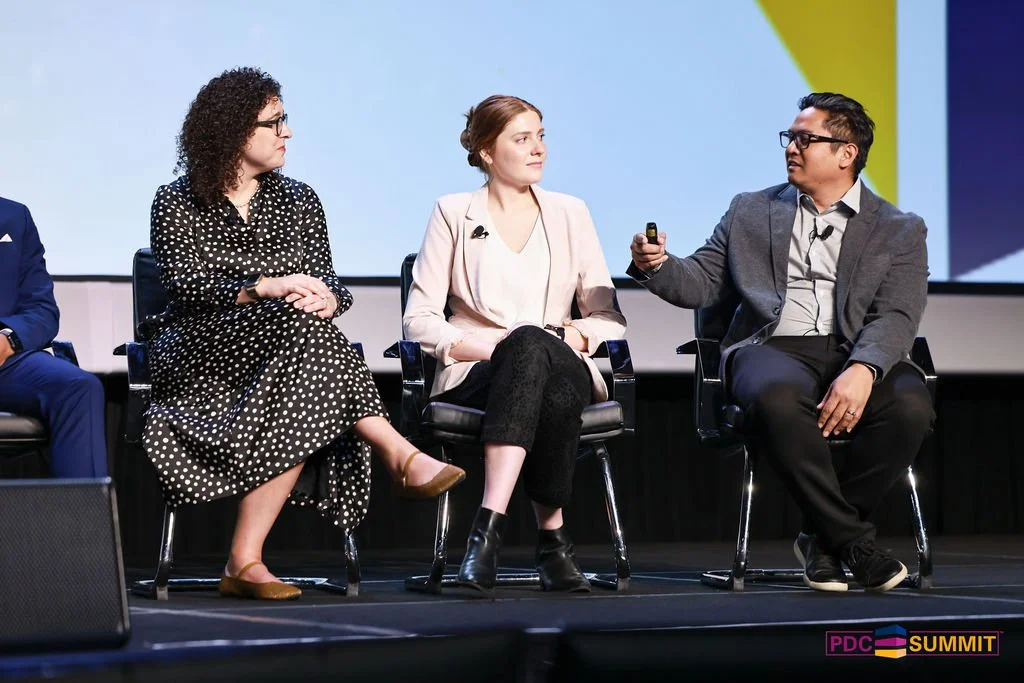
This blog features NIHD Board member Brooke Karlsen’s panel discussion at PDC Summit held in Houston in March 2026.
The intent of the session was to bring experts from across healthcare planning, design, engineering, and clinical communities to explore how resilient environments are created and sustained.
Through real-world examples and forward-looking strategies, the panelists were charged with providing insight into how healthcare spaces can remain safe, functional and supportive during times of crisis.
The blog post emphasizes the importance of intentional, curiosity-driven travel during a busy summer conference season, encouraging NIHD members to use professional gatherings as opportunities for meaningful connection, learning, and leadership in healthcare design.
It also offers practical travel and networking advice—such as packing strategically, allowing time for reflection, following up with new contacts, and observing how people interact with spaces—to inspire stronger collaboration and more human-centered design thinking.
The blog explores how nurses’ experiences with disasters and public health emergencies reveal the gap between preparedness plans and real-world response, emphasizing the importance of clear communication, coordinated leadership, and workforce readiness.
It highlights how AI can strengthen disaster preparedness and resilience, but stresses that its effectiveness depends on reliable data, collaboration across organizations, and empowering nurses to translate information into timely, coordinated action.