Ready, Jet, Go!

The blog post emphasizes the importance of intentional, curiosity-driven travel during a busy summer conference season, encouraging NIHD members to use professional gatherings as opportunities for meaningful connection, learning, and leadership in healthcare design.

It also offers practical travel and networking advice—such as packing strategically, allowing time for reflection, following up with new contacts, and observing how people interact with spaces—to inspire stronger collaboration and more human-centered design thinking.

Read More

What I Brought Home from HCD: A Nurse Leader's Perspective

Blog contribution by HCD Scholarship Recipient Heidi Shedenhelm, DNP, RN, NE-BC, FAONL


I was not sure what to expect walking into my first Healthcare Design Conference + Expo. What I found was a community I did not know I had been missing.

HCD is where architects, designers, engineers, nurses, and industry innovators come together around a shared purpose: creating spaces where patients heal and care teams thrive. I currently work alongside colleagues at my institution to help shape new clinical spaces, and this conference came at exactly the right moment. I left with a deeper understanding of design, fresh ideas I could act on immediately, and a renewed sense of the importance of this work.


Learning inside and outside the room. 

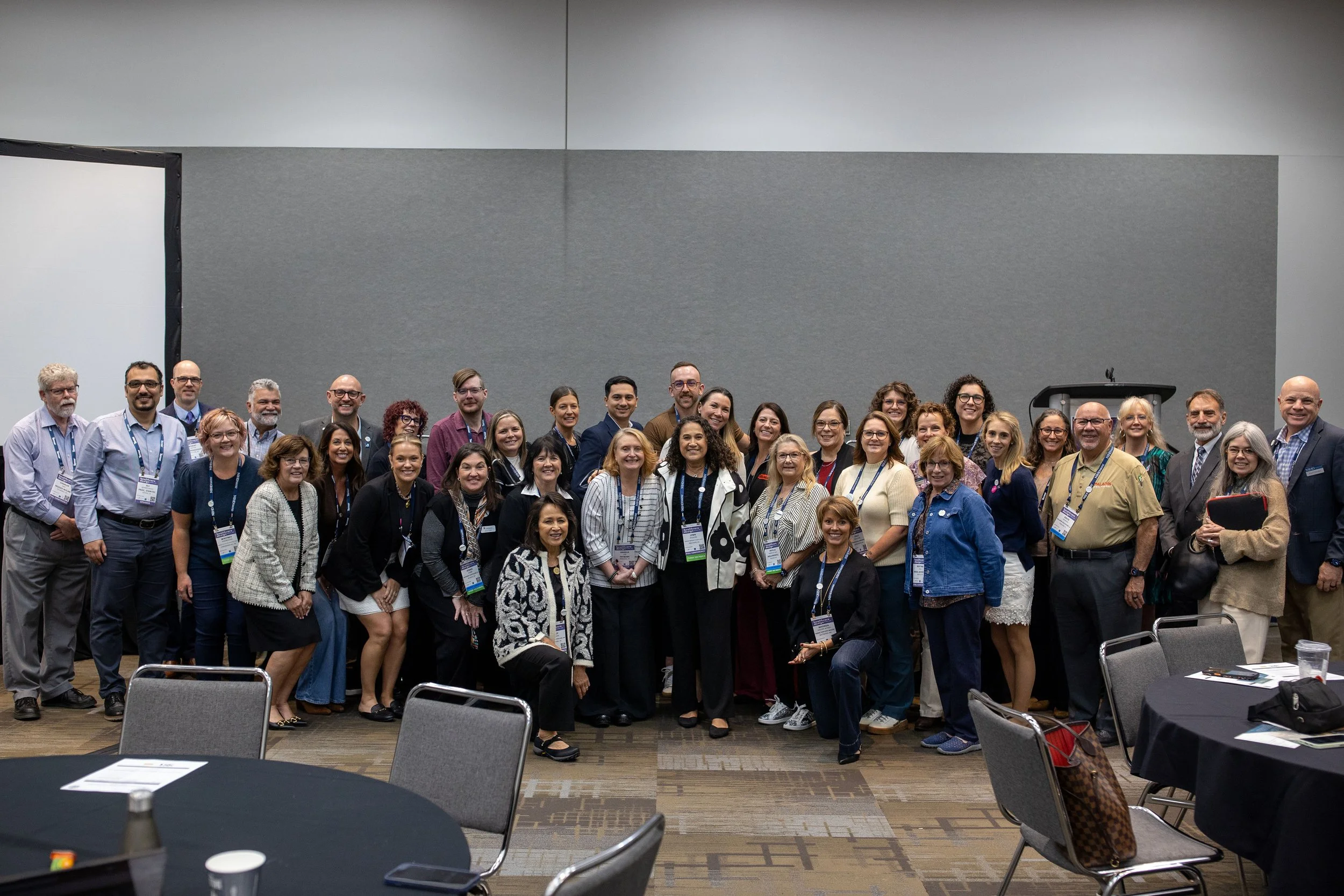
The sessions were excellent, connecting design decisions to patient outcomes, safety, and the everyday realities of clinical work. What surprised me was how much I also took away from conversations in the hallways and over meals. Architects eager to understand how nurses move through a unit. Designers looking for the clinical perspective that would make their next project stronger. As a member of the Nursing Institute of Healthcare Design, I had the added joy of connecting with NIHD colleagues who share this same passion. Those exchanges were energizing. I was reminded how important the clinical voice is in healthcare design, and I came home with new relationships I fully intend to keep.


The exhibit hall was worth the trip on its own. 

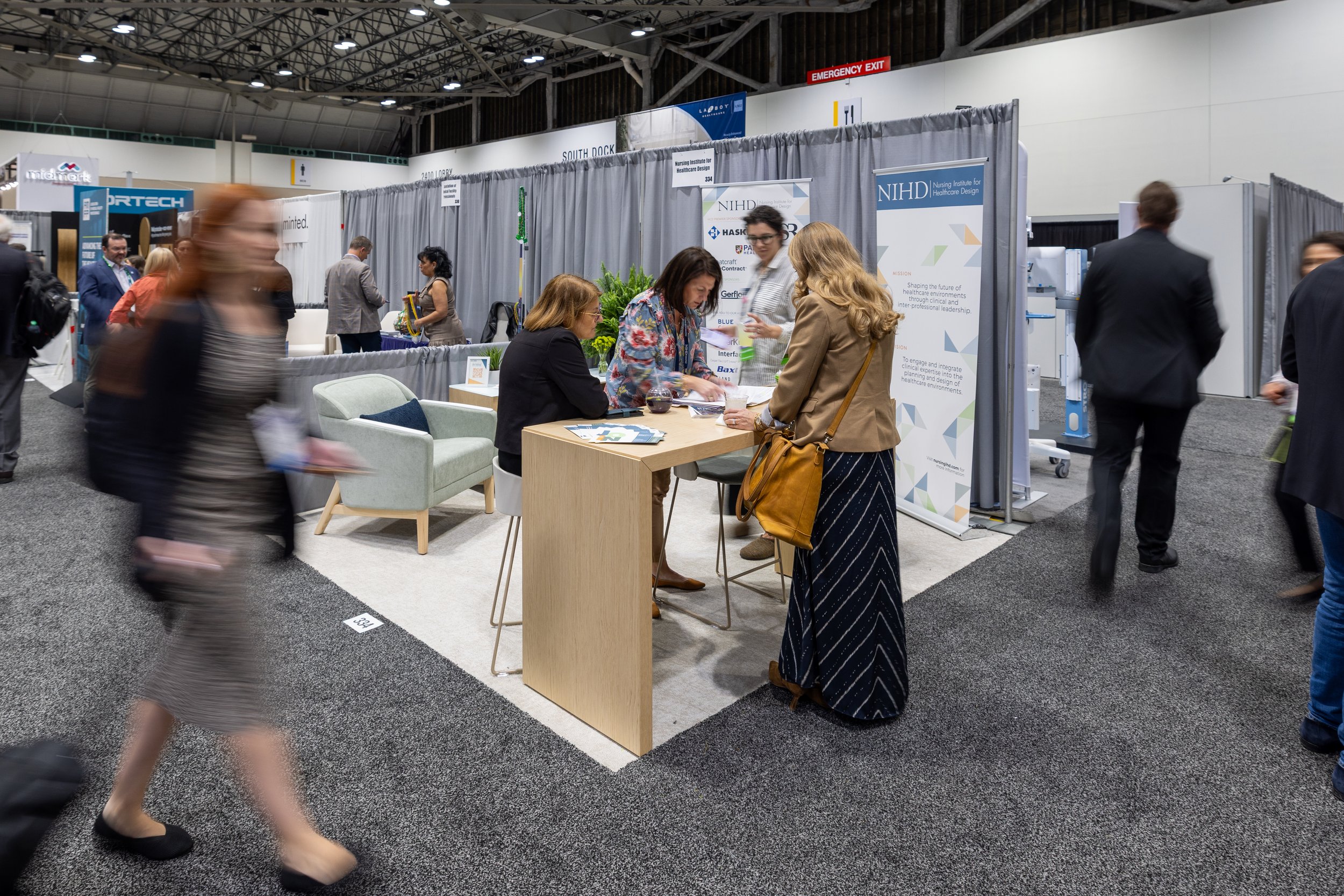
The showroom floor was impressive. Furnishings thoughtfully designed around patient safety, patient experience, and how caregivers actually work. Materials where infection prevention was built in from the very first decision. Thoughtful modular designs that expedite construction while keeping responsible stewardship of resources in mind. What stood out most was the quality of the conversations with the people behind these products. They were genuinely curious about clinical realities, and that curiosity showed in everything they were building. I brought home a long list of ideas from that floor alone.


If you are a nurse leader, HCD is a conference worth your time. I cannot recommend it enough. 

The nursing voice belongs here. I will be back.


Designed to Lead!

This blog highlights the growing importance of advocacy in nursing, emphasizing how nurses translate real-world care experiences into policies and systems that improve healthcare delivery. It also underscores the expanding leadership role of nurses in innovation, technology, care design, and community impact, while encouraging nurses to actively shape the future of the profession through advocacy, collaboration, and lifelong learning.

Read More

Rural Health Transformation Program: Delivering Environments That Truly Transform Care

The blog highlights the transformative impact of the $50 billion Rural Health Transformation Program, positioning it as a pivotal moment to redesign how care is delivered across rural America.

Rural healthcare design requires intentional, human-centered solutions that address scarcity, distance, and community needs while elevating clinical voices.

This investment is a rare opportunity to reshape not just facilities, but entire care systems and outcomes for underserved populations.

Read More

Translating Care into Systems That Work

The blog highlights Angie Cox’s journey from social work to becoming a leader in clinical technology, driven by her belief that many healthcare challenges stem from system design rather than individual failure.

With multidisciplinary expertise, she works at the intersection of care delivery, technology, and strategy to create solutions that improve both patient and clinician experiences. Her work focuses on designing smarter systems that reduce burnout and make healthcare more effective and human-centered.

Read More

Optimizing Healthcare Environments with Smart Sensor Technology 

At Stanford Medicine Children’s Health, smart sensor technology is transforming how healthcare spaces are used by replacing guesswork with real-time data. Thousands of sensors help staff quickly find and manage rooms, improving efficiency and the experience for patients and families while reducing unnecessary costs.

The approach also prioritizes transparency and privacy, ensuring data is anonymous and trusted. With plans to expand into air quality and energy monitoring, this innovation is shaping the future of smarter, healthier healthcare environments.

Read More

Reimagining Care Through Design: Emily Karbo’s Unique Career Path.

Emily Karbo, DNP, RN, EDAC, transitioned from a career in ICU nursing to healthcare design, using her clinical expertise to shape environments that improve patient care, staff workflow, and operational efficiency. Inspired by early experiences in hospice care and driven by a passion for human-centered design, she now blends compassion, collaboration, and innovation to make a lasting impact in the healthcare design community.

Read More

Reducing Clinical Burden Through Intelligent Workflow Automation

Nurses working in healthcare face growing clinical burdens, spending up to 40% of their shifts on indirect tasks like coordination and communication, contributing to burnout and turnover. Modern nurse call platforms such as Jeron’s Provider transform traditional call systems into intelligent workflow hubs by automating task routing, integrating with EHR and RTLS systems, and streamlining communication across departments.

By reducing non-clinical interruptions and improving response times, these systems free nurses to focus more on bedside care while improving operational efficiency and staff satisfaction.

Read More

GO or NO GO?

This reflective post explores the NIHD member Jamie Hammer’s internal “GO or NO GO” debate about returning to school later in life to pursue a DNP after a long nursing career. Drawing on decades of experience—from bedside care to healthcare design—Jamie shares how professional maturity made advanced education more focused and manageable, and offers practical advice for choosing the right DNP program. Ultimately, earning her doctorate brought renewed purpose, a deeper appreciation for research and data, and a reminder that it’s never too late to keep growing!

Read More

Be the Messenger

Advocacy is more than a moment—it’s a sustained commitment to showing up for others, for our communities, and for the future of healthcare design. When we ground our work in connection and shared responsibility, we create the conditions for meaningful, lasting change.

This season, we’re also elevating new voices and perspectives, including leaders like Grace Kistner, whose global health experience reminds us that advocacy thrives when mentorship, collaboration, and bold vision come together.

Read More

When Space and Seconds Collide.

The built environment is not a passive backdrop to care delivery; it is an active participant in shaping how safely and effectively care is provided. While healthcare environments are designed with good intentions in mind, we cannot underestimate the profound influence that physical space has on human performance, clinical decision-making, and ultimately, patient safety.

To truly design for safety, we must understand the complex cognitive and operational realities clinicians navigate every day — especially in moments when time, space, and life converge.

Read More

From Cribs to Campuses: Roxanne’s Path to Healthcare Design

We are proud to spotlight members who are shaping the future of healthcare environments through innovation, leadership, and a passion for patient-centered care. This month, we’re excited to feature Roxanne Butler MSOD, RNC, Principal at Blue Cottage of CannonDesign and President-Elect of the NIHD Foundation for 2025.

Read More

Advocacy Through Vision and Visibility: A Call to the Healthcare Design Community

This year, the Nursing Institute of Healthcare Design (NIHD) is leaning forward: into advocacy, into visibility, and into our shared responsibility as stewards of the environments where care is delivered, received, and lived. Across healthcare design, we are being called to act not only as experts, but as good neighbors within complex, global ecosystems by bringing energy, intention, and care to the places that shape human flourishing.

Read More

Empowered Clinical Support: The Importance of a Knowledge Path to Successful Technology Use.

Too often, hospitals implement new health IT systems without involving nurses—the primary users—early enough in the process. Engaging nurses from the start turns them into active partners, ensuring the technology aligns with workflows, improves patient care, and avoids costly implementation issues. A nurse-centered roadmap that includes nurses in every phase—planning, design, testing, and post-launch—leads to smarter, more successful technology adoption.

Read More

Let’s talk about Leveraging Data and Analytics in Healthcare Facility Planning.

In today’s complex healthcare environment, data and analytics are essential tools for effective facility planning and design. By leveraging evidence-based models and real-time patient data—such as emergency department volumes and surgical case trends—healthcare leaders can optimize space utilization, improve patient flow, and support staff efficiency. This data-driven approach ensures healthcare environments are adaptable, resilient, and centered on high-quality care delivery.

Read More