Add these sessions to your PDC Summit agenda.

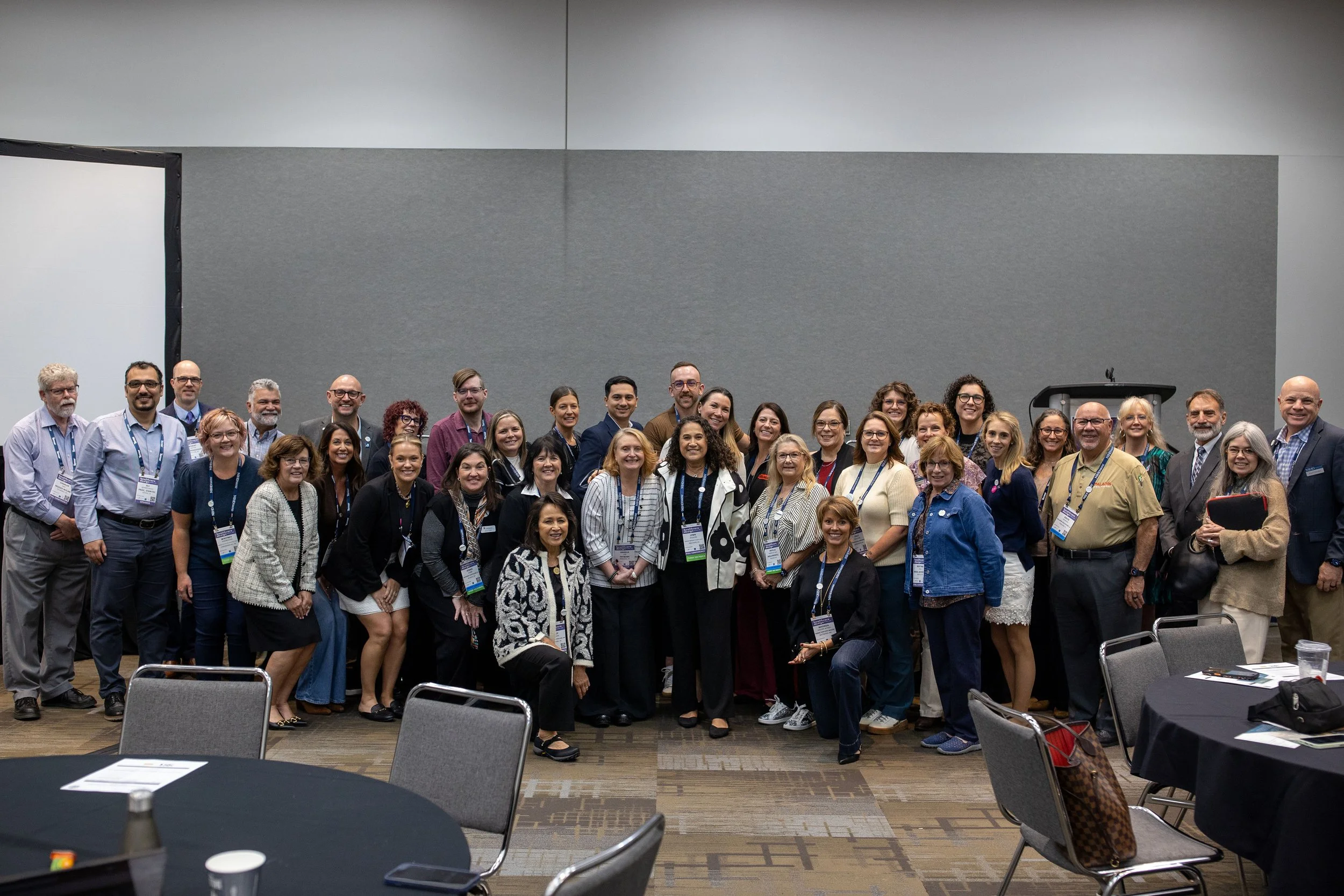
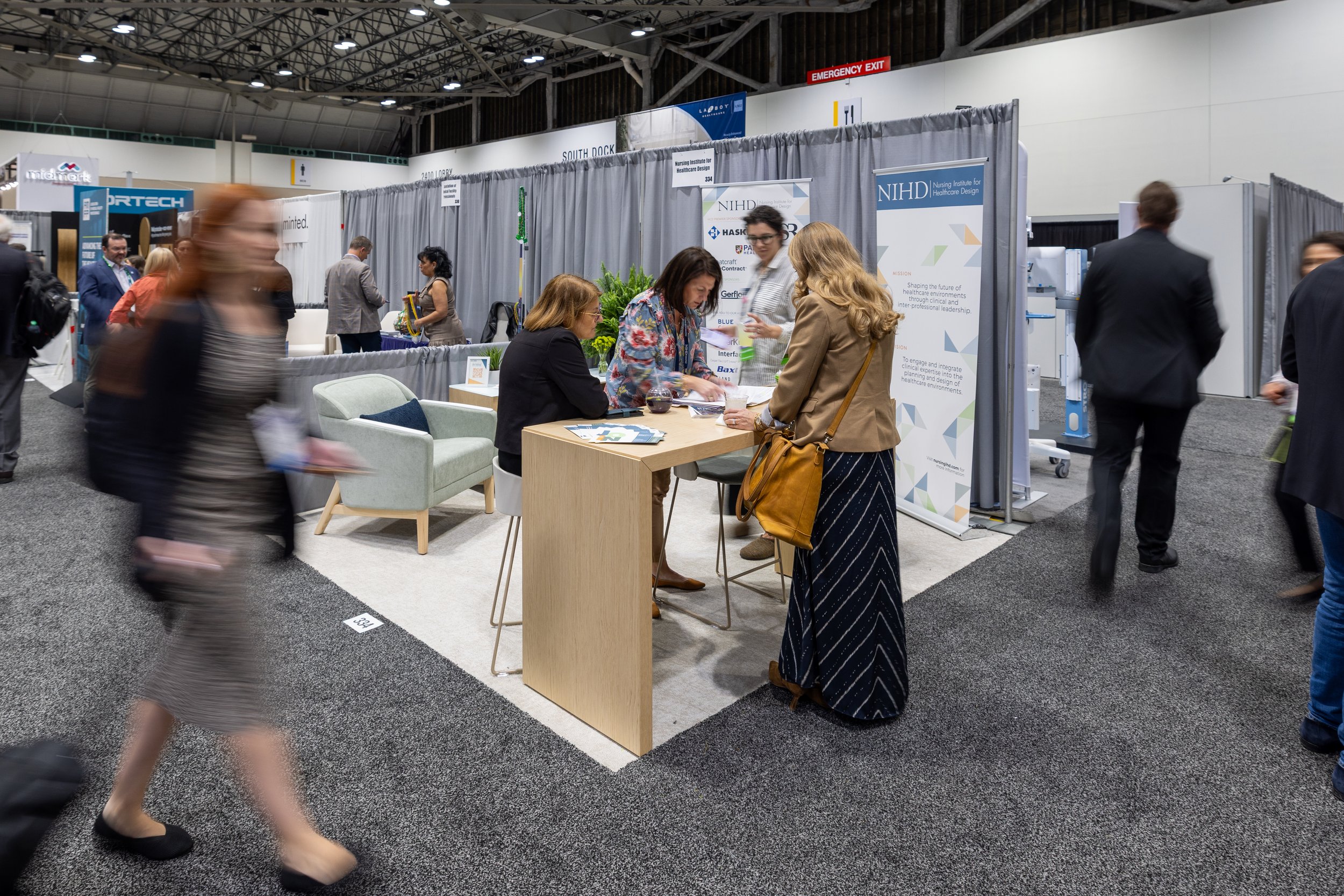
NIHD is a proud Supporting Organization of the PDC Summit! Our members assist in the abstract review process, and we work together with ASHE to offer nursing continuing education for approved sessions. This activity has been submitted to Montana Nurses Association for approval to award contact hours. Learners can earn up to 9.0 contact hours of continuing nursing professional development by attending these sessions.

Read More

From Cribs to Campuses: Roxanne’s Path to Healthcare Design

We are proud to spotlight members who are shaping the future of healthcare environments through innovation, leadership, and a passion for patient-centered care. This month, we’re excited to feature Roxanne Butler MSOD, RNC, Principal at Blue Cottage of CannonDesign and President-Elect of the NIHD Foundation for 2025.

Read More

Advocacy Through Vision and Visibility: A Call to the Healthcare Design Community

This year, the Nursing Institute of Healthcare Design (NIHD) is leaning forward: into advocacy, into visibility, and into our shared responsibility as stewards of the environments where care is delivered, received, and lived. Across healthcare design, we are being called to act not only as experts, but as good neighbors within complex, global ecosystems by bringing energy, intention, and care to the places that shape human flourishing.

Read More

Empowered Clinical Support: The Importance of a Knowledge Path to Successful Technology Use.

Too often, hospitals implement new health IT systems without involving nurses—the primary users—early enough in the process. Engaging nurses from the start turns them into active partners, ensuring the technology aligns with workflows, improves patient care, and avoids costly implementation issues. A nurse-centered roadmap that includes nurses in every phase—planning, design, testing, and post-launch—leads to smarter, more successful technology adoption.

Read More

Let’s talk about Leveraging Data and Analytics in Healthcare Facility Planning.

In today’s complex healthcare environment, data and analytics are essential tools for effective facility planning and design. By leveraging evidence-based models and real-time patient data—such as emergency department volumes and surgical case trends—healthcare leaders can optimize space utilization, improve patient flow, and support staff efficiency. This data-driven approach ensures healthcare environments are adaptable, resilient, and centered on high-quality care delivery.

Read More

Navigating Conference Season: How to Choose the Right One and Maximize Your Connections.

Fall marks the beginning of conference season—a time full of energy, connection, and opportunity. As calendars fill with industry events and professional gatherings, it’s the perfect chance to gain fresh insights and grow your network. Whether you're a seasoned attendee or new to the scene, a little preparation can help you make the most of this inspiring time.

Read More

Uncover “The Hidden Cost of Ugly Furniture” in Carolina's New White Paper

In a new white paper, Carolina, a leader in healthcare furniture design, explores the hidden ways aesthetics, performance, and perception influence healthcare environments. Titled “The Hidden Cost of Ugly Furniture,” the paper provides valuable insights and data for designers, facility managers, and healthcare leaders looking to make strategic, evidence-based furniture decisions that enhance both patient experiences and operational outcomes.

Read More

Designing for a Digital Age: A Nurse’s Perspective on Technology in Multigenerational Care

As healthcare spaces become more digitized, nurses in planning and design must balance patient needs, clinician workflows, and evolving technology. But digital tools aren’t experienced equally—what empowers a millennial may overwhelm an 85-year-old patient. From smart rooms to self-check-in apps, nurse designers have a critical role in making sure healthcare technology works for everyone, not just the tech-savvy. This blog explores how multigenerational design, inclusive testing, and human-centered support can create healing environments that are not only modern—but humane.

Read More

Are ASC’s Designed for A New Era of Ambulatory Surgery?

The Centers for Medicare & Medicaid Services (CMS) is gradually eliminating the Inpatient Only (IPO) List over the next three years. This change will allow more surgeries to be performed at ambulatory surgery centers (ASCs) instead of requiring hospital stays. As a result, patients may experience lower costs and more convenient access to care. What do you see as some of the biggest design and operational challenges with this change?

Read More

Healing, Redefined: A Cancer Survivor's Tribute to Nurses.

This blog recounts MacKenzie Weldon’s deeply personal journey after being diagnosed with stage 3B triple-negative breast cancer in October 2024. A long-time professional in the healthcare industry, MacKenzie found her understanding of healthcare profoundly reshaped. While the medical care was critical, it was the compassion, dedication, and humanity of the nurses that left the most lasting impact.

Read More

Easy Tips to Help Make your Networking Efforts Worthwhile during Conference Season.

This is quite a busy time for NIHD and our members. Planning and related activities ramp up to our attendance and participation in numerous industry related conferences that happen across the country in the Fall. I think we all know the numerous benefits of networking but what are some easy tips to help make your networking efforts worthwhile?

Read More

One “Big Beautiful” Design.

The "One Big Beautiful Bill Act," passed in July 2025, marks a major shift in U.S. healthcare funding, cutting over $1 trillion from Medicaid over ten years and introducing stricter financing rules. These changes are expected to result in higher copays, the loss of coverage for nearly 12 million Americans by 2034, and significant financial strain on rural and safety-net hospitals, many of which may face closure. As healthcare systems adapt to reduced reimbursements, there will be a growing focus on return-on-investment, operational efficiency, and strategic planning—particularly in facility design and construction. While some projects with secure funding may proceed, others, especially in rural areas, could be delayed or canceled, with a broader shift toward renovations and outpatient-focused facilities expected.

Read More

The Paladin Healthcare Story: Infrastructure with Intention.

Paladin’s story begins not in a boardroom, but in a generational handoff. In 2013, a rail, both literal and symbolic, was passed from father to son. This “official” transition marked the founding of Paladin Healthcare, a company born from legacy but designed for the future. It wasn’t just about continuing a business; it was about evolving an idea, about taking something foundational and reimagining it for a new era of healthcare.

Read More

Creating Spaces That Care: Highlights from the AMFP's Houston Healthcare Summit

NIHD Member Nick Mengucci, MSN, RN-BC, LSSGB recently spoke on a panel at AMFP’s Houston Annual Healthcare Summit titled Creating a High-Quality Workplace Experience in Healthcare, highlighting how thoughtful design supports staff recruitment, retention, and performance. As the nurse voice on the panel, he represented both the profession and NIHD, emphasizing the need for environments that support caregivers as much as patients.

Read More