Where Disciplines Meet, Nurses Lead: The PDC Student Design Challenge™

Blog contribution by Seneca Perri Moore, PhD, RN, Nursing Faculty Advisor for 2026 PDC Student Design Challenge™.

Before attending the 2026 PDC Student Design Challenge™ as faculty advisor, I knew our graduate nursing students would work hard and show up with professionalism, empathy, and determination. What I did not fully anticipate, although perhaps I should have, was just how naturally they would step into a fast-moving, unfamiliar, deeply interdisciplinary environment and begin contributing in ways that were not only useful, but essential. 


There’s a funny secret in nursing, and I have never quite understood why it remains such a secret: nurses know an extraordinary amount. They know people and structures of care, workflows and recovery, communication, coordination, safety, and the countless small realities that shape whether an environment truly supports care. Nurses often carry this knowledge so fluidly and so practically that even we may underestimate the depth and breadth of what we know.

It can become invisible precisely because it is so embedded in how we think and practice. 


Placed alongside students from architecture, engineering, and construction, our nursing students stepped into a world with its own vocabulary, methods, and ways of framing problems. Although much of that world was new to them, they didn’t enter it unsupported.

In the six months leading up to the competition, Dr. Elizabeth Johnson, NIHD President-elect, met with the students and me each month for didactic sessions that introduced the language, concepts, and tools of the design disciplines. With patience and generosity, she helped make an unfamiliar landscape more legible, building not only knowledge, but confidence. That preparation mattered. It gave our students a foundation from which they could stretch, contribute, and collaborate under pressure. And when the pressure came, what carried them forward was both that foundation and everything nursing had already given them: leadership, adaptability, systems thinking, comfort with complexity, and a deeply grounded understanding of what human beings need from the spaces where they receive care.  

One of the things nursing does especially well is see the whole while also protecting the person within it. Nurses are trained to notice not only what is happening directly in front of them, but how one decision affects another, how one barrier cascades into five more, how an environment can support the care experience, or erode it. Nurses understand that outcomes are rarely the product of one isolated factor. They emerge from systems: from communication, layout, timing, handoffs, relationships, constraints, and the built environment itself. That orientation proved incredibly valuable during the challenge.

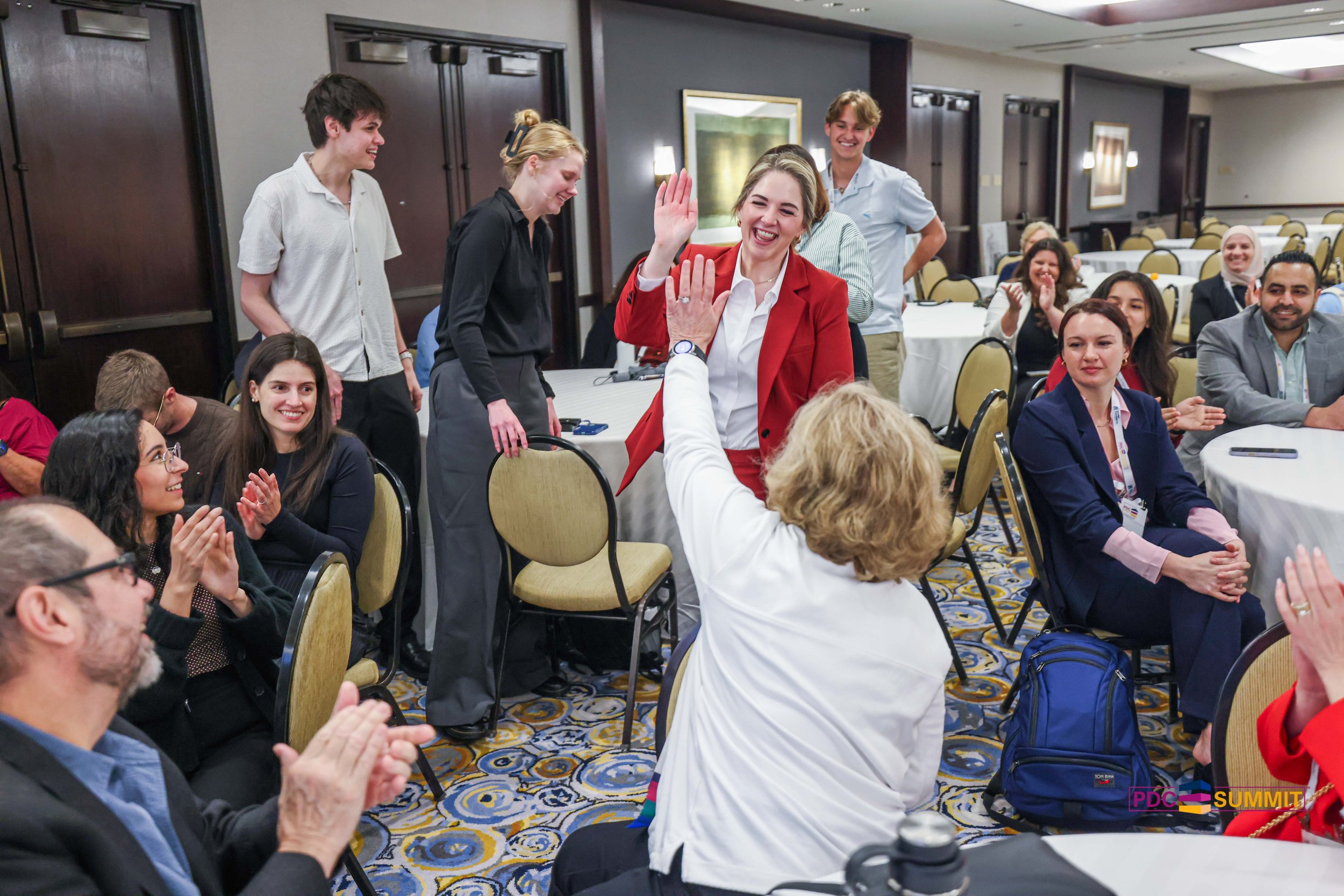
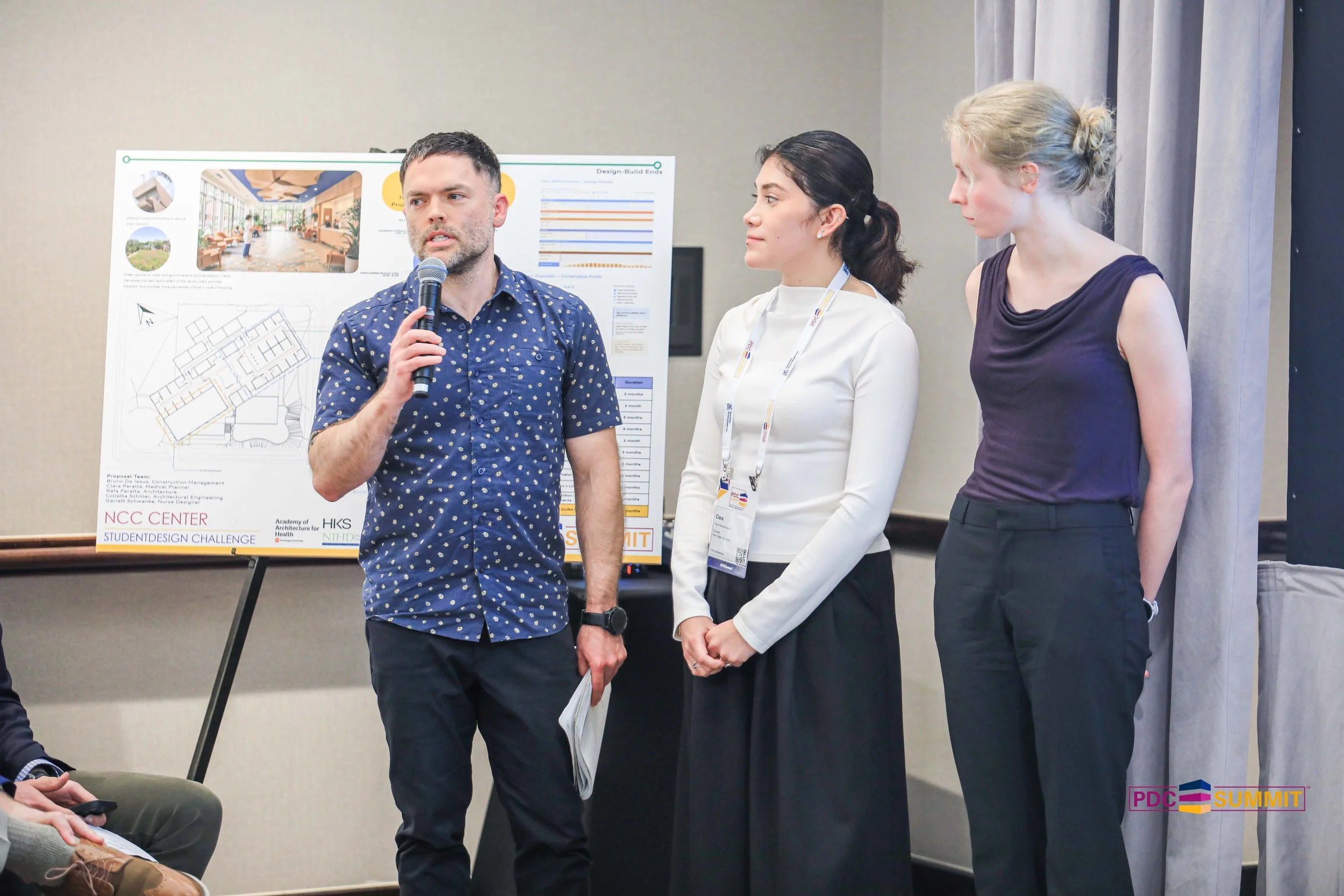
I watched our students engage their new collaborators with humility and curiosity while also bringing confidence and leadership to the table. They asked good questions. They listened closely. They translated between lived care experience and design possibilities. They thought about patients, families, staff, communities, and workflows all at once. They recognized that good design isn’t just about what looks impressive on paper; it’s about whether people can actually live, heal, work, and connect well within the spaces we create. 

What struck me most was definitely not that nursing students could “keep up” in this environment. It was that they helped make the work better.


The challenge highlighted what becomes possible when healthcare design is informed by truly interdisciplinary collaboration.


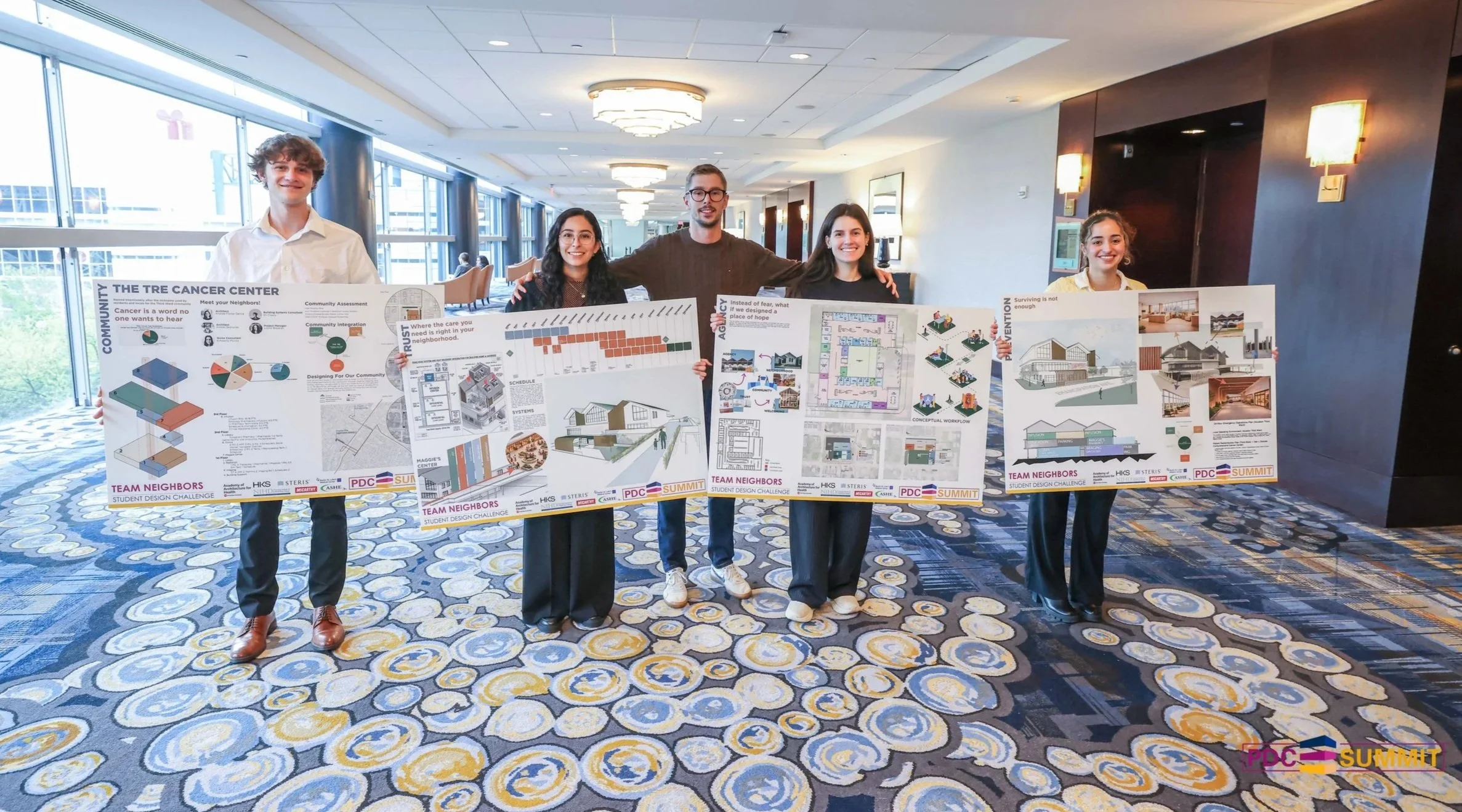
Architecture, engineering, construction, and nursing each brought a different lens, and those differences weren’t a hurdle. They were the source of stronger ideas. Their very compelling solutions were community-oriented, thoughtful, and grounded in real human experience. They reflected technical skill, creativity, and practical insight. They also reflected something beautiful: a shared commitment to designing spaces that serve people well. 

For nursing, this matters deeply. Too often, the nursing contribution is understood narrowly, as if it belongs only at the bedside or only within traditional clinical boundaries. But nurses are trained to think across complexity. We are translators across disciplines. We are practical problem-solvers. We are often the people who can see where plans may fail in real life, and where they may succeed beyond expectation if they are shaped with care, foresight, and input from those who understand human experience on the ground.

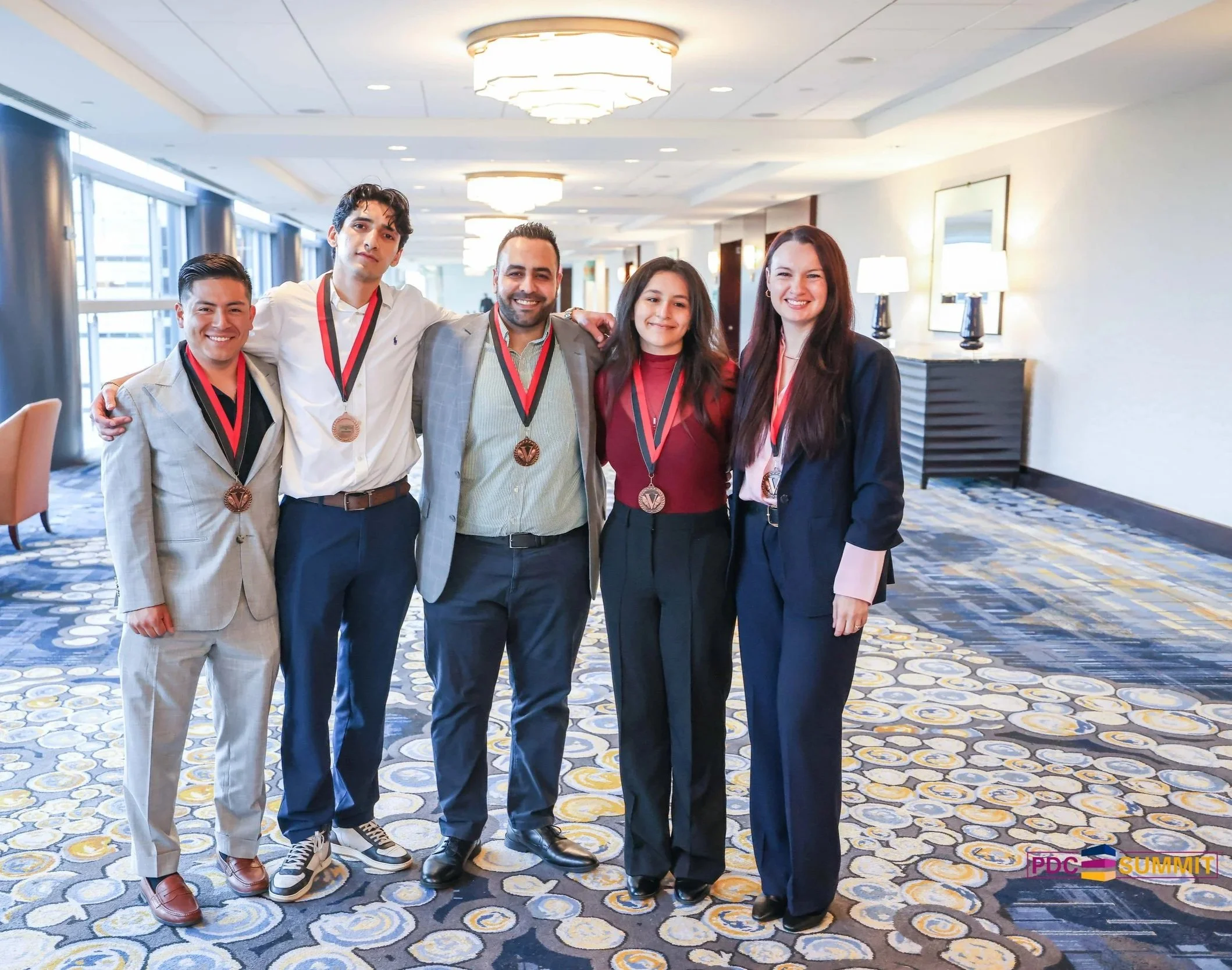
Experiences like the PDC Student Design Challenge™ help bring that truth into view. I was so proud of our students, not only because they represented nursing so well, but because they did so in a way that felt authentic to the profession. They didn’t need to become someone else to participate. They needed to learn some new language, yes. They needed to stretch. But they didn’t need to learn grit, adaptability, teamwork, or leadership from scratch. They arrived with those qualities already in hand, ready to contribute. And they did. 

I also left the experience with renewed appreciation for the importance of spaces like this one, where disciplinary silos soften and people are invited to think together. These opportunities are formative for students, but they are also instructive for the rest of us. They remind us that innovation is often less about any one field proving its value and more about learning how different forms of expertise can come together in service of a shared goal. I am deeply grateful for that.  


I want to offer sincere thanks to Dr. Elizabeth Johnson, to the NIHD community, and to the many sponsors and supporters who made this event possible. It was clear throughout the challenge that an enormous amount of care, vision, and effort went into creating an experience that was both rigorous and welcoming. Bringing students from different disciplines into one room and asking them to solve meaningful problems together is no small undertaking. The generosity behind that work was evident, and it created a rare and valuable environment for learning. 

I am especially grateful to NIHD for helping bring this “secret” about nursing further into the open. Nursing has always had much to contribute to conversations about space, human experience, and the future of healthcare environments. What initiatives like this do so beautifully is make that contribution easier for others to see and easier for students to inhabit with confidence. 

If there is one lasting lesson I took from the PDC Student Design Challenge™, it’s this: nursing belongs in these rooms. Not as an afterthought or as a courtesy invitation, but as a vital voice in shaping environments that are safer, wiser, more humane, and more responsive to the realities of care.

Our students showed that clearly. It was a privilege to watch.