Discovery Is Never Ours Alone

Blog contribution by NIHD President, Elizabeth Johnson, PhD, MS-CRM, RN

Have you ever had a conversation that sat with you longer after it ended?

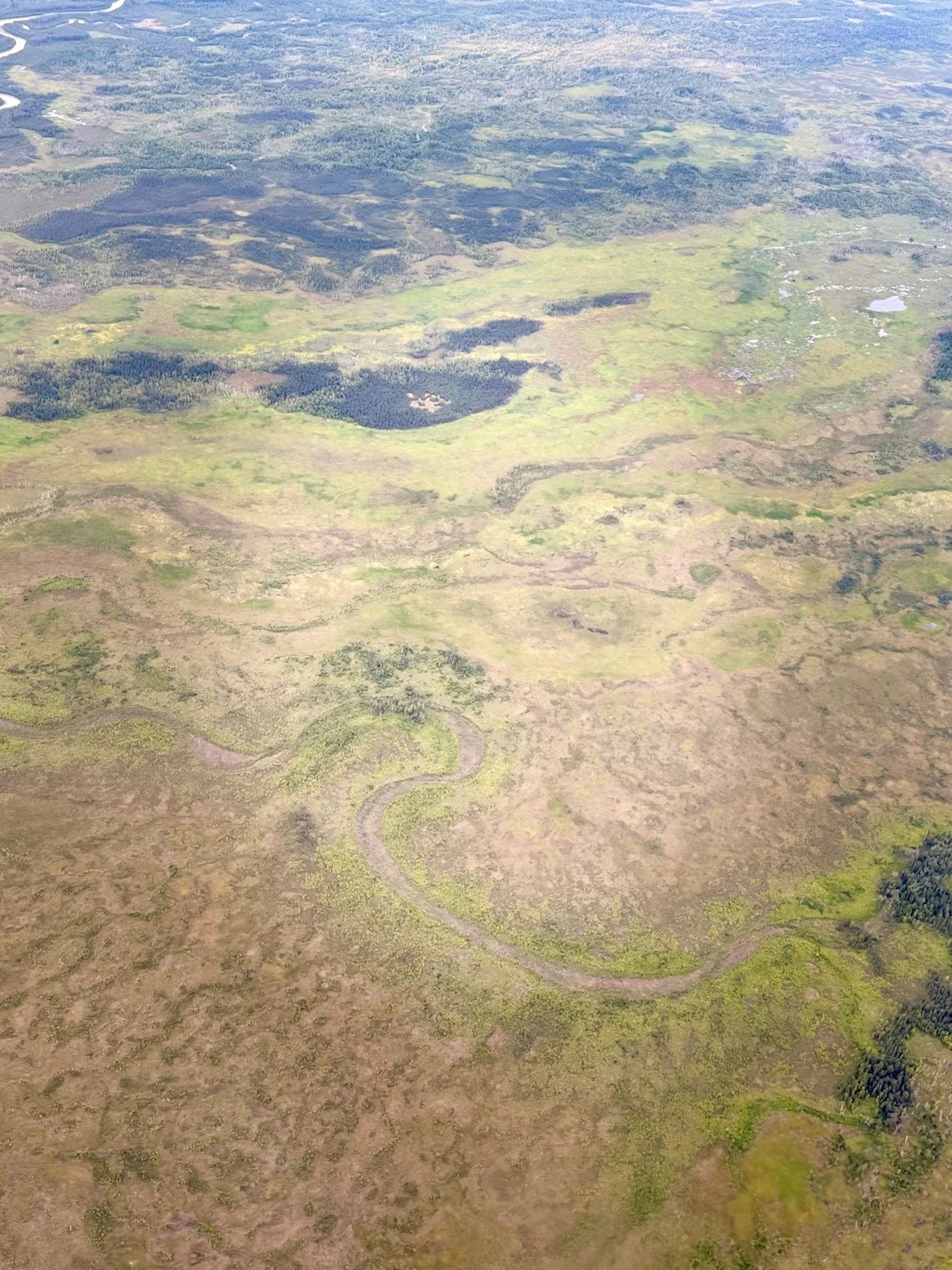
Recently, a conversation with a Yup’ik Elder in Alaska challenged me to reconsider what we mean when we call something a “discovery.” She observed that what appears novel to one person may be heritage and living memory to another. A place experienced as a familiar summer camp by one community may remain uncharted territory to someone else. The landscape itself has not suddenly become known, as only the visitor’s awareness has changed. And, as she said, “the land remembers long after we forget.”


Her reflection has stayed with me because it raises an important question for healthcare design:

When I believe I am discovering something for the first time, am I encountering a genuinely new idea or am I recognizing knowledge that has long existed within another discipline, community, culture, or healthcare facility?

And when we describe an idea as innovative, how do we acknowledge those who have already practiced, preserved, or refined it?


Healthcare design has no shortage of “eureka” moments. Yet a eureka moment may simply be the instant one person finally sees what another has long understood.

This does not diminish the value of discovery. It deepens our responsibility to approach it with humility, curiosity, and a willingness to look beyond the boundaries of our own expertise.

No single profession, organization, or community holds all the knowledge required to design environments that support healing. Nurses contribute an intimate understanding of care delivery and the realities of clinical work. Patients, families, architects, engineers, designers, informaticians, facilities leaders, and community members each hold different forms of expertise.

We are also surrounded by the masterclasses of other industries, disciplines, facilities, and cultures if we are willing to recognize and learn from them.
Our work, then, is not merely to claim the next great idea rather instead to bring these forms of knowledge together, translate what has been learned, and create pathways through which discovery can benefit everyone.


This responsibility is especially urgent as artificial intelligence becomes increasingly integrated into the built environment. While AI-enabled design, sensing, operational systems, and responsive environments may feel emerging to some, others have already accumulated meaningful experience with their opportunities, limitations, and unintended consequences. We should not require every organization or community to rediscover these lessons independently.

How can we ensure that AI integration reflects clinical workflows, human dignity, safety, and community priorities?

How do we preserve the essential role of professional judgment and lived experience?

And how can nurses help shape these systems before they become embedded (physically and operationally) within the environments where care occurs?

Later this fall, you will hear more about potential working-group initiatives that bring members and partners together around AI and the built environment. I hope these conversations will help us identify what is genuinely emerging, what has already been learned, and what we can build collectively from that foundation.


As a new academic year begins, I also extend my best wishes to the students embarking on their own journeys of discovery this semester. May you remain curious about what is new to you, humble about what others already know, and open to the people and perspectives that will help you chart your path.

I invite you, and all members of our community, to tune in to the Designing Care on Air podcast for conversations and shared wisdom to guide you along the way.


Perhaps discovery is not only the act of finding something new. Perhaps it is also the act of seeing what has always been there and recognizing whose knowledge made it visible.