Blog contribution by NIHD President, Elizabeth Johnson, PhD, MS-CRM, RN
As nurses, many of us remember our first organized response to a natural disaster or disease outbreak, or our personal experience of living through one. I was in nursing school during H1N1, when faculty quickly trained us in the National Incident Management System and FEMA incident command principles which enabled us to support vaccination efforts, collect surveillance data, and communicate within a coordinated response.
Years later, during Hurricane Harvey, I evacuated with my young son because he needed to remain close to specialized care available in Dallas. A year earlier, I spent nearly four hours trapped on Highway 288 near the Texas Medical Center while navigating rising water and traffic on my way to work.
During COVID-19, disaster response looked different. I developed bartering skills to secure admixture filters, tubing, medications, and other scarce supplies needed to keep patients with acute myeloid leukemia safely enrolled in clinical trials.
Each event was distinct. Some arrived with forecasts and familiar seasonal rhythms. Others unfolded amid changing evidence, scarce resources, and prolonged uncertainty. Yet each revealed the same truth: a plan is only as strong as people’s ability to understand it, adapt it, and act together when ordinary systems no longer function as expected.
Nurses often recognize the distance between a preparedness document and the realities of care. We see when patients cannot evacuate, staffing models fail, supply chains fracture, or public guidance does not translate into safe action.
Not every healthcare organization, clinician, or community partner shares the same understanding of incident command. Roles and communication pathways that seem clear on paper can become uncertain during an emergency. Many community health centers and small independent hospitals still lack clear guidance plans or training schedules.
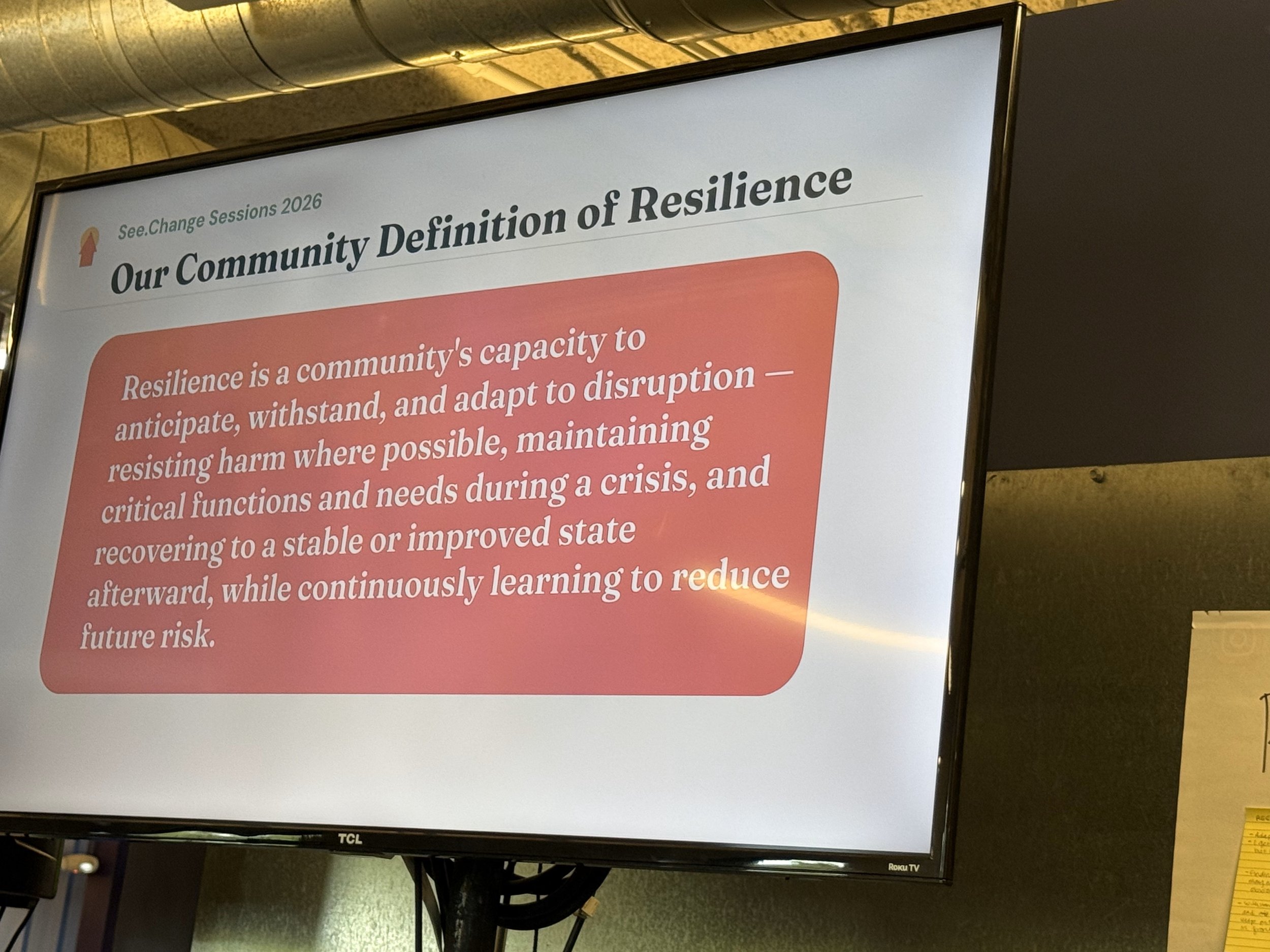
I attended the See Change Sessions AI for Resilient Cities track, held September 16-17, 2026, in Burlington, Vermont. Developed with IBM, the track convened leaders from healthcare, government, academia, technology, utilities, public safety, and community organizations.
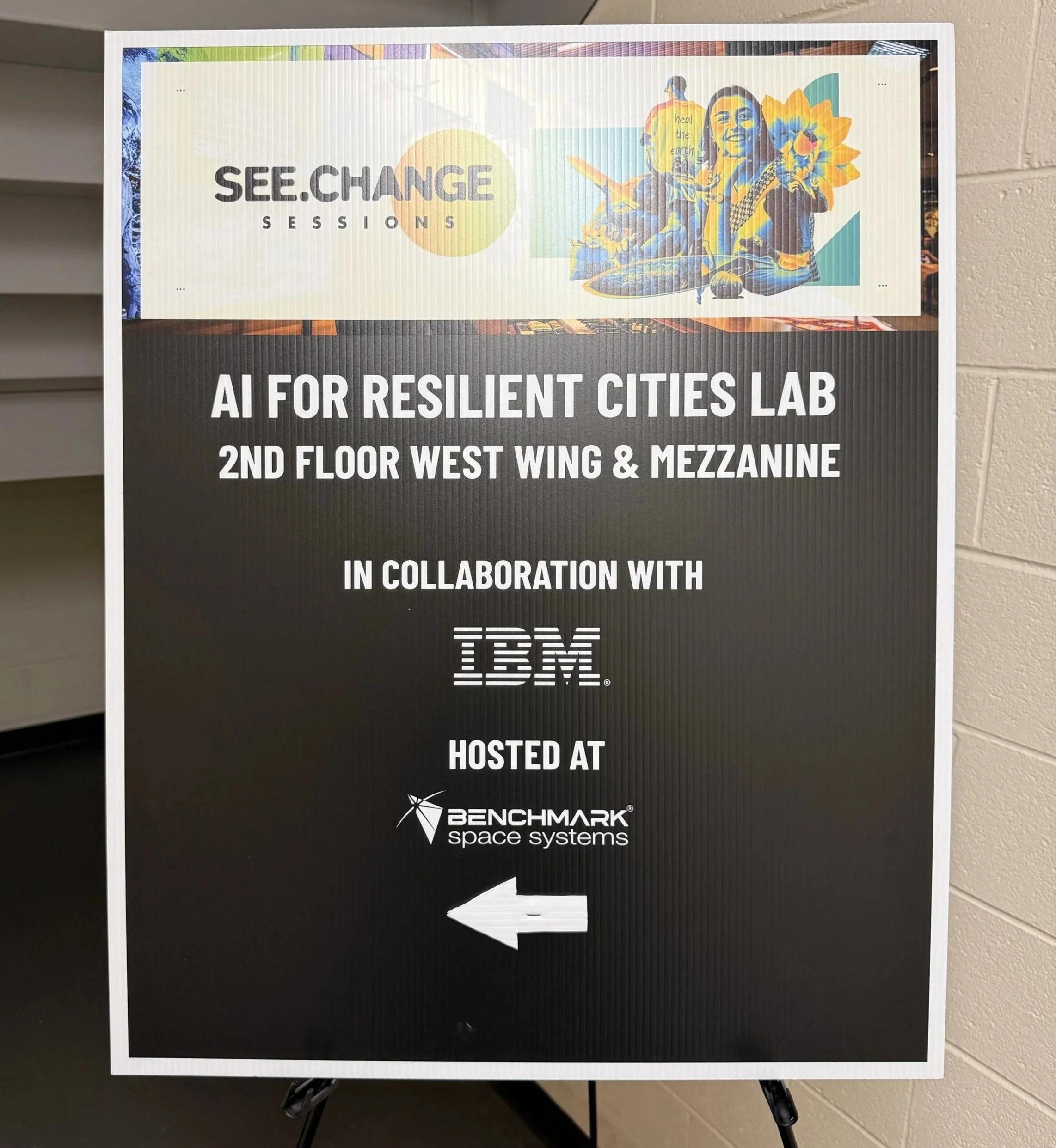
Together, we considered how AI might strengthen decision-making, risk mitigation, and coordination across preparedness, response, and recovery. The group appraised disaster-readiness frameworks and examined case studies of AI applications. Many incorporated geospatial tools to identify risk, visualize changing conditions, or guide resources. Others relied on durable datasets assembled from federated sources, allowing information to remain useful across organizations while preserving local data stewardship. A recurring challenge was coordination.
AI-generated insights must move effectively among hospitals, public health agencies, emergency services, utilities, and local governments.
AI may help anticipate heat-related illness, identify vulnerable neighborhoods, model resource needs, and strengthen early warning systems. However, models based on familiar patterns may falter when conditions are unprecedented. Systems designed for rare catastrophes may overlook recurring disruptions, including seasonal storms, extreme heat, infectious disease surges, power interruptions, and workforce shortages. Community decisions are also shaped by lived experience and whether residents remain to protect livestock, property, and livelihoods. However, even a perfectly or near-perfectly accurate model can fail when data are outdated, responsibilities are unclear, alerts conflict with workflows, or partners interpret information differently.
Readiness becomes meaningful when people can effectively translate information into coordinated action.
The next time you work with a hospital team, ask:
Where has readiness become activation?
Can nurses across units, shifts, roles, and experience levels access information, identify decision authority, and understand what action is expected?
Are nurses included in drills, technology selection, implementation, and after-action learning?