Written by: Nick Mengucci, MSN, RN, LSSGB, EDAC
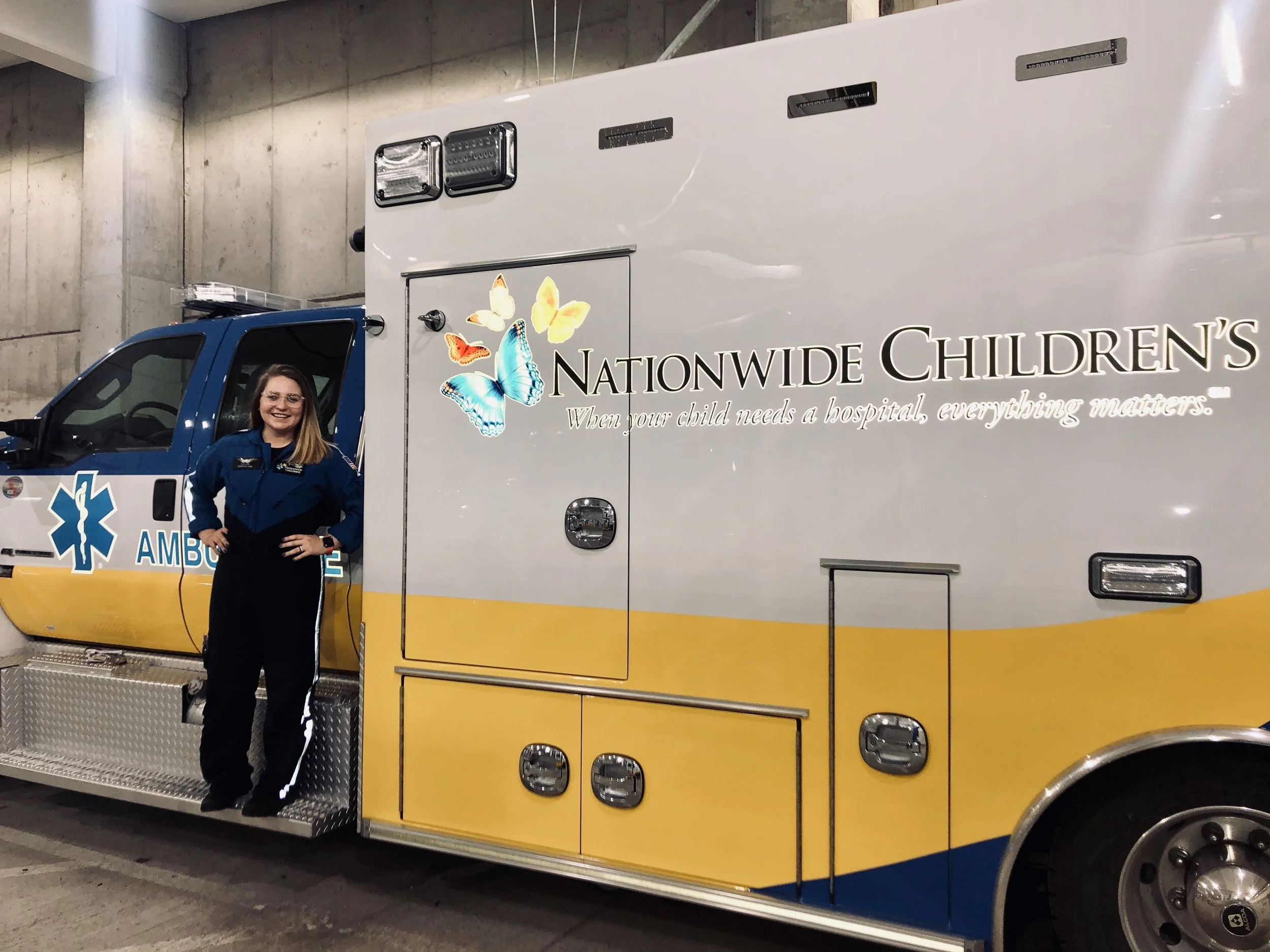
Hailey Yost, MBA, BSN, RN, Clinical Liaison at Nationwide Children’s Hospital, brings a broad pediatric nursing background to a role that sits at the intersection of clinical care, operations, design, and construction.
Her career has included work in the Cardiothoracic ICU, Emergency Department, Critical Care Transport, and Nationwide Children’s Monarch 1 helicopter and mobile intensive care units, along with experience across NICU, PICU, MedSurg, and Pulmonary ICU settings.
But a career in healthcare design was never something she had planned.
“Like many clinicians, I never set out thinking I would end up working in design and construction,” Hailey said. “To be honest, I didn’t even know a role like this existed.”
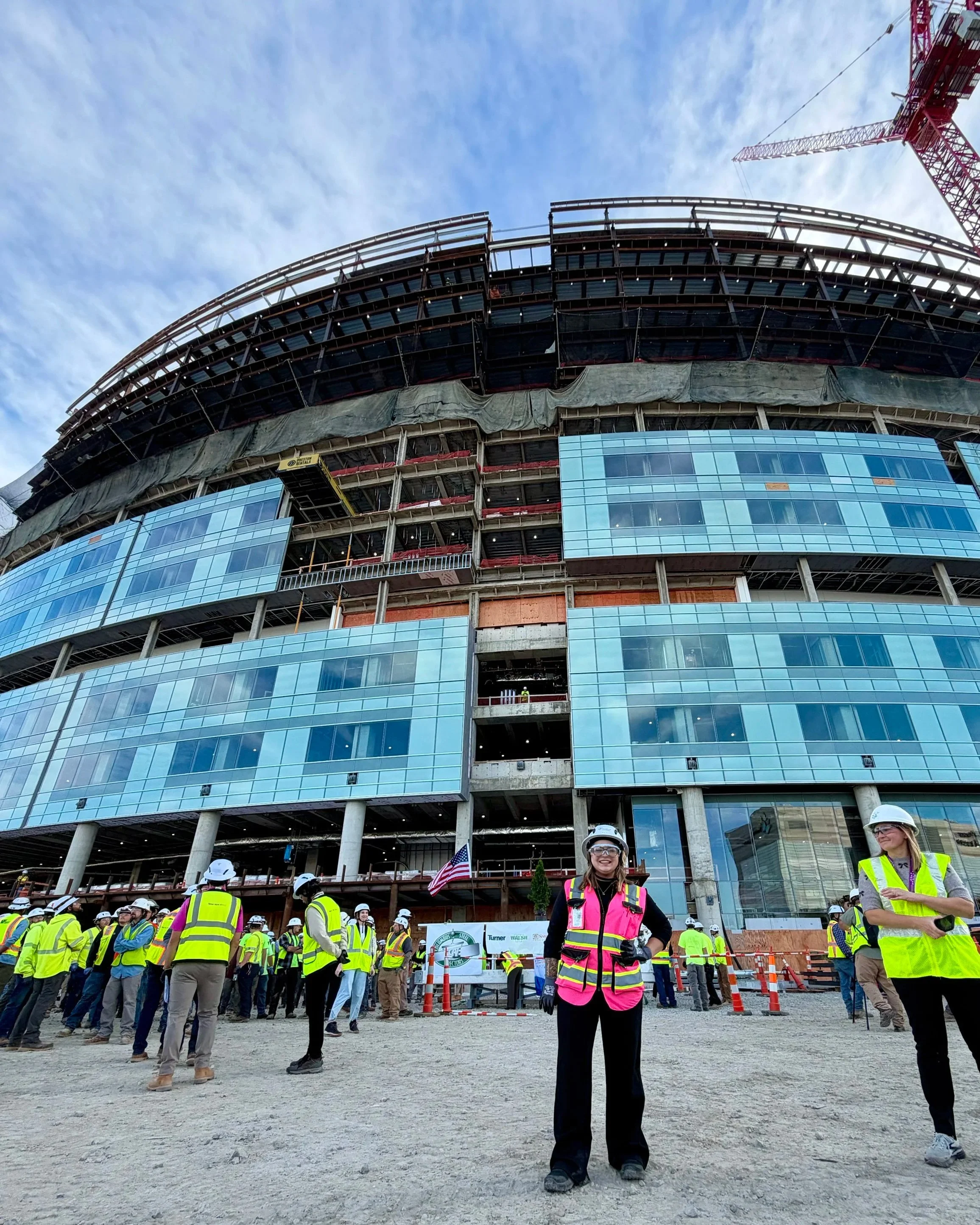
That changed when Nationwide Children’s began planning a new inpatient expansion and recognized the need for someone who could connect the lived experience of clinicians with the operational, design, and construction teams shaping the new environment.
That became Hailey’s role.
“I often describe my role as being a translator,” she said. “Clinicians, engineers, and architects all bring expertise to the table, but they do not always speak the same language.”
As Clinical Liaison, Hailey helps bridge those perspectives, bringing the voice of frontline caregivers into planning and design while helping clinical teams navigate the design and construction process.
“What may seem great on paper doesn’t always work in the real world, and that is where clinical input is so important,” she said.
One example came during the design of NICU patient rooms:
The initial design included four-foot-wide doors. While that may have seemed appropriate for some of the hospital’s smallest patients, frontline clinicians quickly identified a much different consideration: the amount of equipment and number of people involved in caring for them.
Nationwide Children’s operates a Level IV NICU, caring for highly complex neonatal patients who may require ventilators, monitors, IV pumps, specialty equipment, and larger care teams. Through clinical review, the team determined that six-foot-wide doors would better support safe and efficient movement, particularly during emergencies.
“What looks appropriate on a drawing can feel very different when you imagine delivering care in that space,” Hailey said.
Another design decision involved something far smaller: a night light.
During a patient room review, Hailey questioned how required night lighting might affect patients and families trying to sleep.
“As a bedside nurse, I can tell you I’ve taped diapers, towels, and just about anything else over bright night lights to help patients and families get some much-needed rest,” she said.
After reviewing the FGI Guidelines, the team determined that while the night light inside the toilet room needed to remain on, the light in the family sleeping area could be placed on a separate switch.
It was a small adjustment, but one that could make a meaningful difference for families spending days, weeks, or even months at the bedside.
For Hailey, examples like these demonstrate why clinical voices need to be part of healthcare design from the beginning.
“Do not underestimate the value of your clinical expertise,” she said. “The real-world insights gained at the bedside help shape spaces that are safer, more efficient, and better for patients, families, and caregivers.”
Her involvement with NIHD has expanded that perspective by connecting her with professionals across the country who share a commitment to creating better healthcare environments.
“Some of the best ideas come from conversations with people who have different backgrounds, lived experiences, and expertise than your own,” Hailey said. “NIHD has provided us all with an outlet to allow us to explore and support one another.”
For clinicians interested in becoming more involved in healthcare design, her advice is straightforward: get involved, stay curious, ask questions, and be willing to challenge assumptions.
Hailey’s path also shows just how far clinical expertise can reach. In the Clinical Liaison role, firsthand experience caring for patients becomes a bridge between the realities of care and the decisions that shape the built environment.
Sometimes that influence changes a six-foot door. Sometimes it changes a night light.
Both are reminders that better healthcare environments begin when the clinical voice has a seat at the table.
Original Questions:
1. What was your path from clinical practice into your current role as Clinical Liaison at Nationwide Children’s?
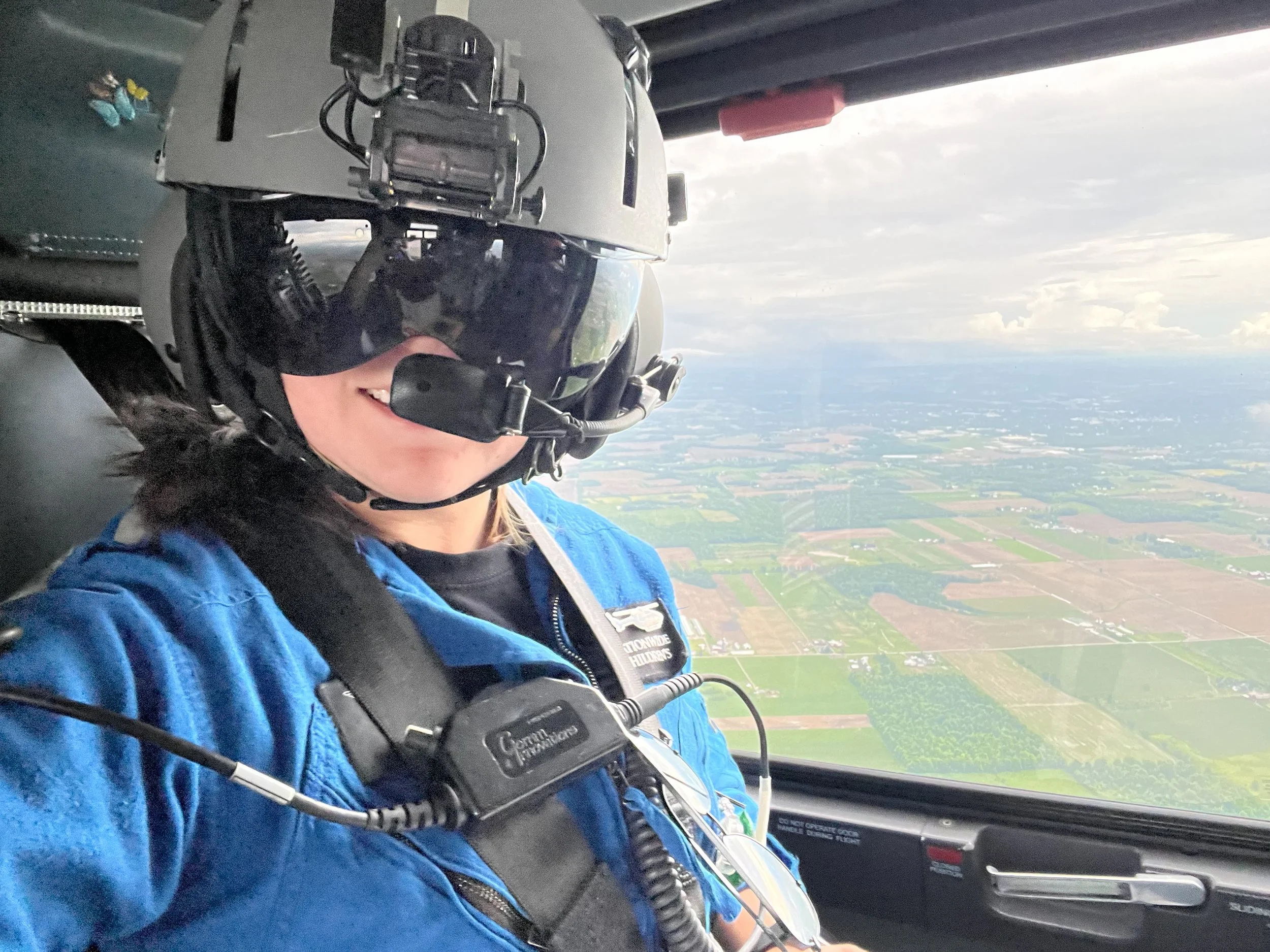
Like many clinicians, I never set out thinking I would end up working in design and construction, to be honest I didn’t even know a role like this existed! My nursing background is pediatric nursing, I had roles in the Cardiothoracic ICU, Emergency Department, and most recently was one of our Critical Care Transport Nurses in our Monarch 1 (that’s our helicopter!) and in our MICUs. With these experiences I have also had the ability to work in units such as NICUs, MedSurg, PICU, and Pulmonary ICU. I had the privilege and responsibility for caring for the children and their families in their most critical time of need.
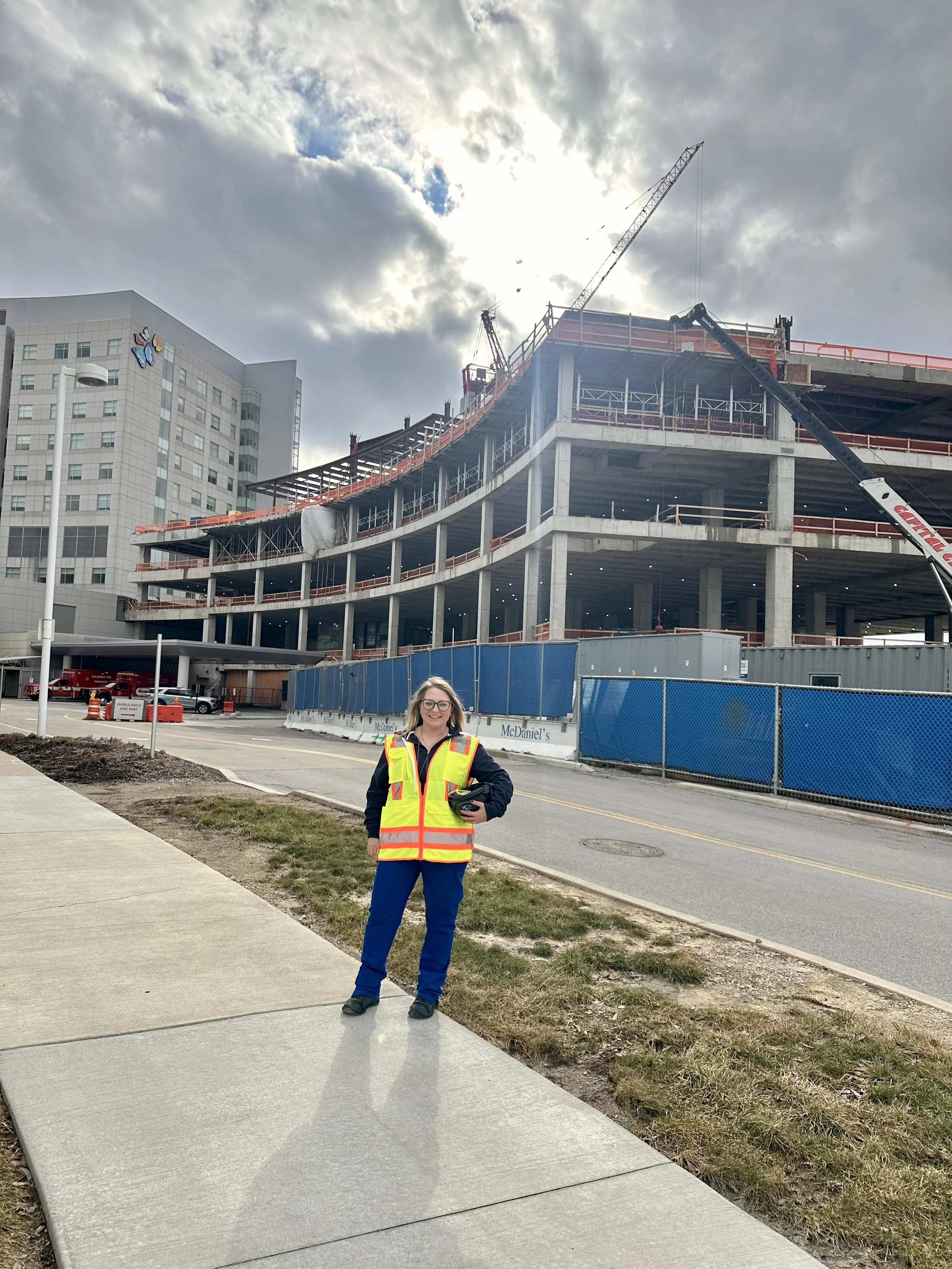
As Nationwide Children’s began their planning for our new inpatient expansion there was a need for a person to connect the real world lived experiences from the clinical side to the operational design and construction side – that’s were I came in. It was an opportunity that combined my passion for patient care with my interest in operational improvement and problem-solving.
Today, I get to work alongside caregivers, executive leaders, architects, engineers, project managers, and construction teams to ensure the spaces we are building truly support the people who will use them every day. It is a role I would have never envisioned for myself, but I am very glad to have taken this unique opportunity in my career.
2. How would you describe the Clinical Liaison role and the value of bringing the clinical voice into the design and construction process?
I often describe my role as being a translator. Clinicians, engineers, and architects all bring expertise to the table, but they do not always speak the same language. I had to quickly learn the design and construction language to ensure proper translation to both the clinical teams and the design and construction teams.
My role is to help bridge those worlds by bringing the voice of the frontline caregivers into conversations about planning, design, and construction. What may seem great on paper doesn’t always work in the real world, and that is where clinical input is so important.
When we engage clinical staff early and often, we can create spaces that are safer, more efficient, and most importantly supportive for our patients, families, and our staff.
3. Can you share an example of a project decision that was influenced by clinical input or frontline staff engagement?
One of my favorite examples is how much discussion centered around something as simple as a door.
When our NICU patient rooms were initially designed, they included 4-foot-wide doors. On paper, that made sense. After all, NICU patients are some of the smallest patients we care for. But once we started walking through workflows with frontline staff and clinical leaders, we quickly realized the conversation wasn't about the size of the patient. It was about the amount of equipment required to care for our most complex patients.
Nationwide Children's is a Level IV NICU, meaning we care for some of the highest-acuity neonatal patients in the nation. With that level of care comes ventilators, monitors, IV pumps, specialty equipment, and larger care teams. Clinical leaders identified that 6-foot-wide doors would provide a much safer and more efficient environment for moving patients and equipment in and out of rooms, particularly during emergencies. It was a great example of why clinical engagement is so important. What looks appropriate on a drawing can feel very different when you imagine delivering care in that space.
Another example involved something much smaller: a night light.
Patient rooms are required to have a night light to help guide occupants safely to the toilet room overnight. During design review, I found myself digging through the FGI Guidelines book because I was concerned about how the light would impact patient/family sleep. As a bedside nurse, I can tell you I've taped diapers, towels, and just about anything else over bright night lights to help patients and families get some much-needed rest.
After reviewing the requirements, we discovered that while the night light inside the toilet room needed to remain on, the light in the family sleeping area could be placed on a switch outside the toilet room. It was a relatively small design change, but one that will make a meaningful difference for families spending long days, weeks, or even months at the bedside.
Those two examples perfectly capture what I love about this work. Sometimes it's a major operational decision that impacts safety and care delivery. Other times it's a seemingly small detail that improves comfort and quality of life for patients and families. Both matter, and both are only possible when frontline caregivers have a seat at the table.
4. How has your involvement with NIHD influenced your perspective, your work, or the way you connect with others in healthcare design?
NIHD has been invaluable because it has connected me with professionals across the country who share a common goal: creating better healthcare environments. We are a very niche but critical group. NIHD provides opportunities to learn from others’ successes, challenges, and lessons learned. I’ve gained new perspectives on how design impacts everything from caregiver well-being to patient experience, and operational efficiency.
Most importantly, it has reminded me that healthcare design is truly a team effort. Some of the best ideas come from conversations with people who have different backgrounds, lived experiences, and expertise than your own. NIHD has provided us all with an outlet to allow us to explore and support one another.
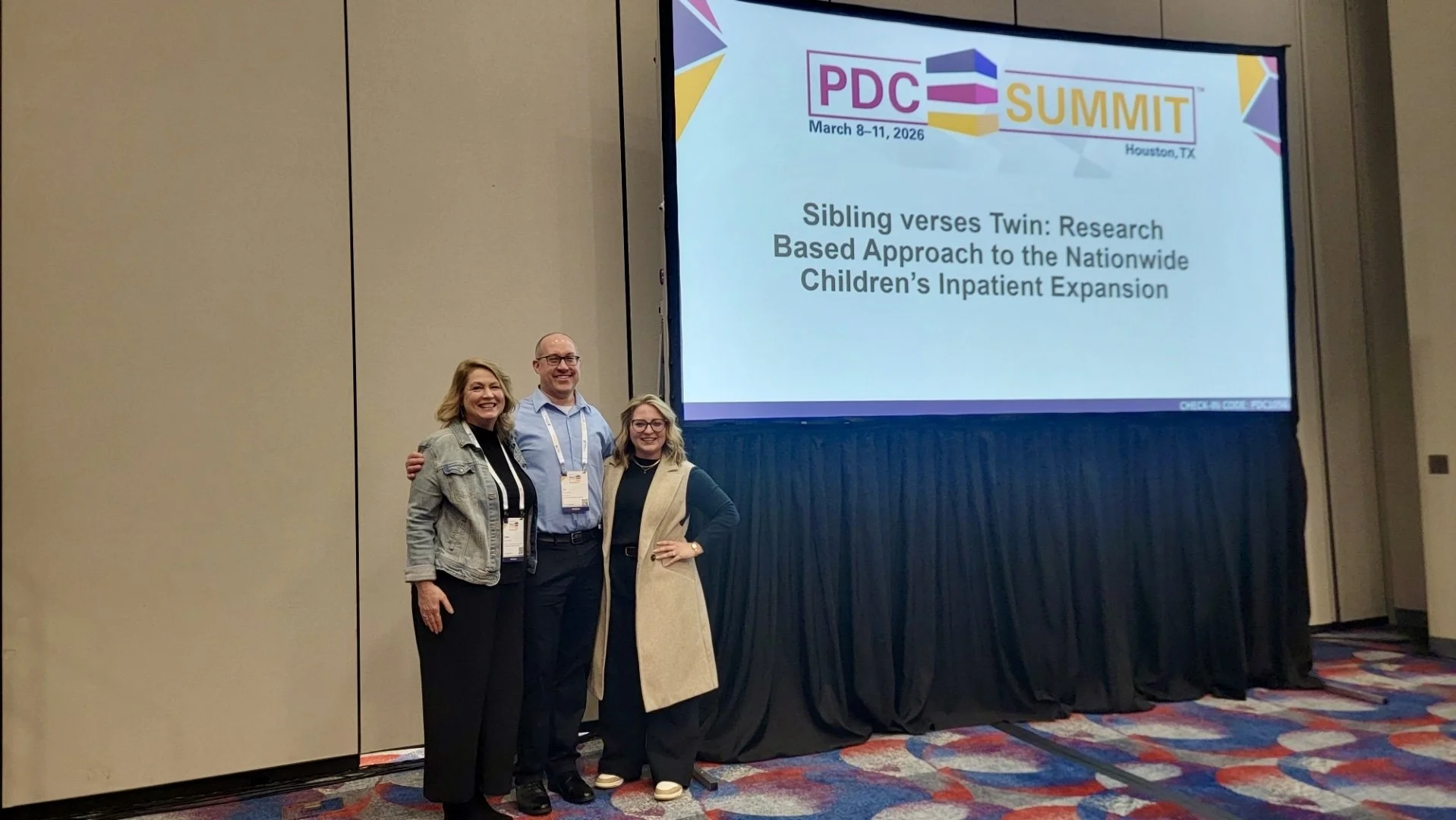
5. What advice would you give clinicians who are interested in becoming more involved in healthcare design, whether through roles like yours or organizations like NIHD?
Do not underestimate the value of your clinical expertise.
Healthcare facilities are built to support patient care, and clinicians understand that experience in a way no one else can. The real-world insights gained at the bedside help shape spaces that are safer, more efficient, and better for patients, families, and caregivers.
Get involved in facility projects at your organization. Stay curious, ask questions, and be willing to challenge assumptions. Just because something has always been done a certain way does not mean it is the best solution for the future.
Organizations like NIHD are a great way to expand your network, learn from others, and gain a broader perspective on healthcare design.
For me, one of the most rewarding aspects of this work is knowing the decisions we make today will impact patients, families, and staff for decades to come. It is a privilege and responsibility that I do not take lightly, and I would encourage any clinician interested in the built environment to explore opportunities to get involved.