• Welcome
  • HOME
  • Blog
  • Events
    • Job Listings Page
    • Job Posting Page
  • JOIN
    • Academic Resources
    • Membership Directory
    • Newsletter Archive
    • NIHD Book
    • Professional Resources
    • Registry of Fellows
    • Scholarships + Awards
    • Toolkits
    • Webinar Archive
  • Member Forum
  • Member Sign-in
  • Foundation
Menu

Nursing Institute for Healthcare Design

  • Welcome
  • HOME
  • Blog
  • Events
  • Job Board
    • Job Listings Page
    • Job Posting Page
  • JOIN
  • Member Features
    • Academic Resources
    • Membership Directory
    • Newsletter Archive
    • NIHD Book
    • Professional Resources
    • Registry of Fellows
    • Scholarships + Awards
    • Toolkits
    • Webinar Archive
  • Member Forum
  • Member Sign-in
  • Foundation

What Nurses Value in Healthcare Environments, and What Might Surprise You

November 21, 2026

Written by: Nick Mengucci, MSN, RN, LSSGB, EDAC

Healthcare environments are incredibly complex. That is no surprise to anyone working in this space. Every project is balancing patient care, family experience, staff needs, technology, equipment, safety, regulatory requirements, and the realities of how the building needs to function. Bringing all of those priorities together takes incredibly talented design teams who can balance competing needs while still creating environments that truly support the people who use them.

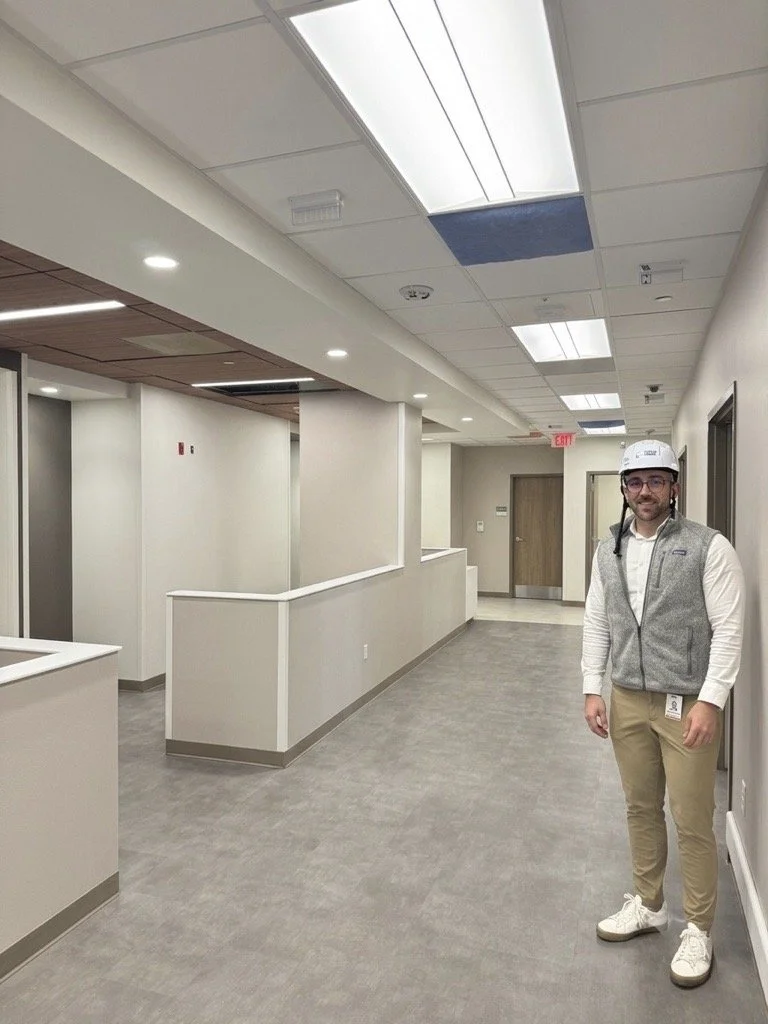
When I was working as a nurse, I was not thinking about healthcare design in those terms, and I certainly did not know that 10 years later I would be in the role I’m in leading operational planning in new healthcare construction. I was focused on my patients, my team, and getting through the shift.

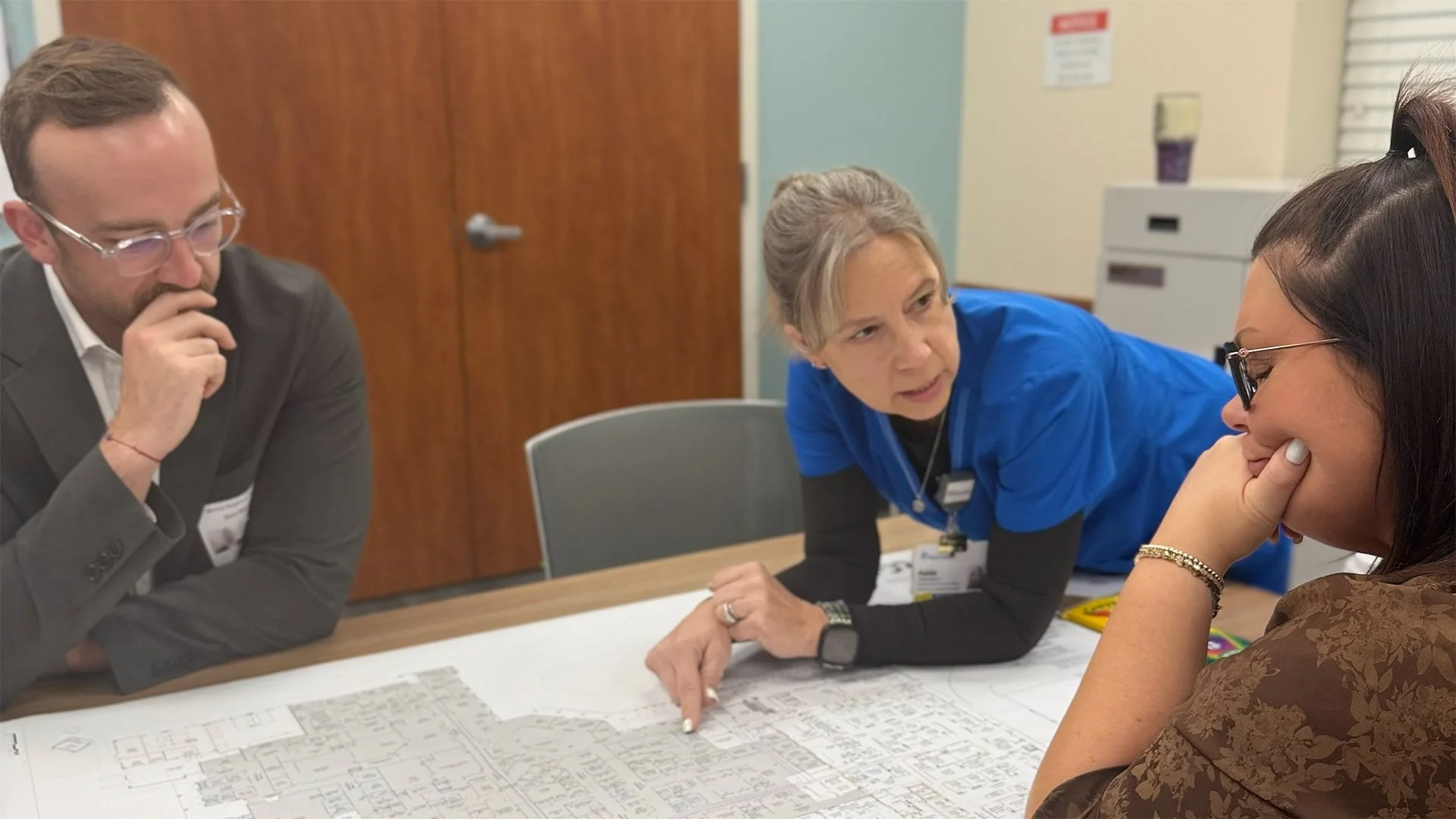
Now that I spend much more of my time working alongside teams planning and designing healthcare environments, I see some of those same needs through a very different lens.

As a nurse, there are plenty of things I would expect clinicians to care deeply about in a new or renovated space. Can I see my patients? Can I get to them quickly? Are supplies and equipment where I need them? Does the layout support safe movement, communication, teamwork, and the way care actually happens?

Those are the big questions, and I can confirm they come up in just about every design and planning conversation.
But some of the other things nurses ask about most sound much simpler, and they carry more weight than you might expect.

Parking comes up. A lot. Nurses may be arriving before sunrise, leaving after dark, and working 12-hour shifts several days in a row. A safe, convenient place to park can shape the beginning and end of every one of those days.

So do break rooms. Nurses spend most of their shift focused on other people, so when they get a few minutes to step away, where they spend that time matters. Enough room to sit, refrigerators that can actually accommodate everyone's lunch, and a little separation from the clinical environment go a long way.

Windows come up too. When you spend most of the day inside a hospital, simply knowing whether it is sunny, raining, or still daylight is surprisingly valuable.

Then there is all the stuff that comes with a 12-hour shift: a backpack, coat, shoes, lunch, water bottle, and whatever else has accumulated in the bottom of the bag. A locker that can actually hold it all is a small detail that staff notice every day.

Food matters for the same reason. Healthcare operates around the clock, even when the cafeteria does not. Night shift needs dinner too. Grab-and-go options, adequate refrigerators and microwaves, and yes, accessible coffee all make a difference.

None of these replaces the larger clinical and operational priorities of a healthcare project. Nurses need environments that support safe care, good communication, efficient workflows, teamwork, and rapid response.

But the smaller questions matter too.
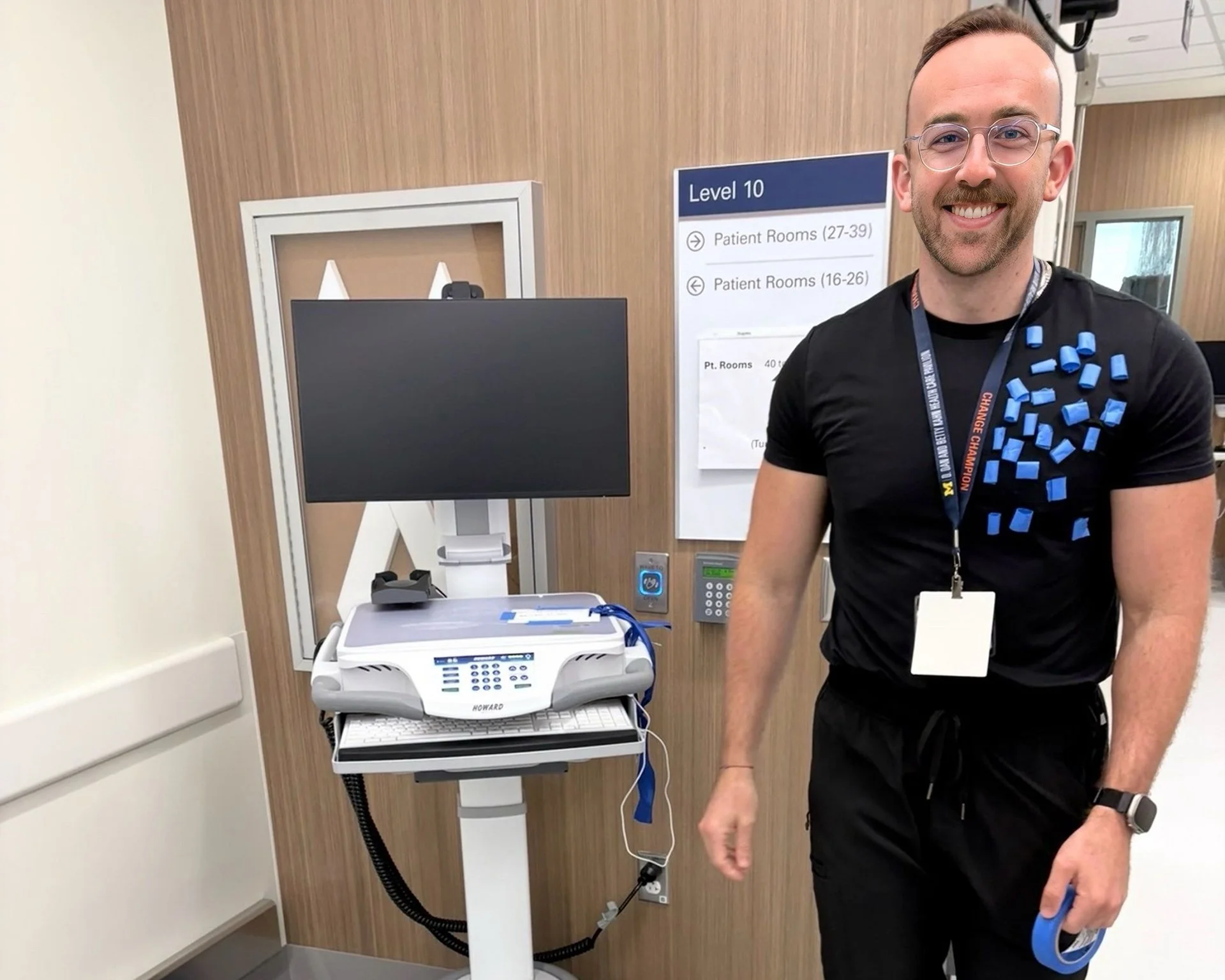
Nurses spend long hours caring for patients, supporting families, juggling competing priorities, and responding to whatever the day brings. It makes sense that they notice the details that make those hours a little easier.

If you are wondering what nurses value in a new healthcare space, ask about the important things…

Just don’t forget to ask about the parking!

In NIHD Media Tags Healthcare Design, Nursing, Hospital Design, Healthcare Construction, Clinical Planning, Staff Experience, Healthcare Facilities, Caregiver Well-Being
The Clinical Liaison: Translating Care Into Design →

LATEST POSTS

Featured
What Nurses Value in Healthcare Environments, and What Might Surprise You
November 21, 2026
What Nurses Value in Healthcare Environments, and What Might Surprise You
November 21, 2026

What do nurses really notice when a new healthcare space is being designed? Beyond patient care and clinical workflows, the answers may be surprisingly practical. From parking and break rooms to windows, lockers, and late-night food options, the small details can make a big difference in the daily experience of healthcare staff.

Read more →
November 21, 2026
The Clinical Liaison: Translating Care Into Design
November 20, 2026
The Clinical Liaison: Translating Care Into Design
November 20, 2026

Hailey Yost’s transition from pediatric nursing to healthcare design demonstrates the importance of bringing frontline clinical experience into the planning process. From widening NICU doors to adjusting nighttime lighting, her perspective highlights how clinical insight can shape safer, more functional, and more compassionate healthcare environments.

Read more →
November 20, 2026
See Change Sessions 2026 Recap:   Nurses, AI, and Resilient Cities
October 8, 2026
See Change Sessions 2026 Recap: Nurses, AI, and Resilient Cities
October 8, 2026

The blog explores how nurses’ experiences with disasters and public health emergencies reveal the gap between preparedness plans and real-world response, emphasizing the importance of clear communication, coordinated leadership, and workforce readiness.

It highlights how AI can strengthen disaster preparedness and resilience, but stresses that its effectiveness depends on reliable data, collaboration across organizations, and empowering nurses to translate information into timely, coordinated action.

Read more →
October 8, 2026
Beyond the Bedside: Why Nurses Belong in Healthcare Technology Design
September 18, 2026
Beyond the Bedside: Why Nurses Belong in Healthcare Technology Design
September 18, 2026

This blog highlights why nurses should be actively involved in healthcare technology design, using their firsthand clinical experience to ensure technology supports real-world workflows, patient care, and staff needs. From digital whiteboards and in-room cameras to digital signage and nurse call systems, the authors emphasize that successful technology requires early clinician involvement, unit-specific planning, ongoing evaluation, and thoughtful integration so technology makes care more human—not less.

Read more →
September 18, 2026
Headwall Design: The Start of Every Healthcare Space
September 15, 2026
Headwall Design: The Start of Every Healthcare Space
September 15, 2026

The blog explains how healthcare headwalls serve as a foundational element of room design by improving workflow, safety, organization, infection control, and patient care. Paladin Healthcare emphasizes its adaptable headwall systems and integrated equipment management rail, which allow healthcare spaces to easily adjust to changing technology and care needs.

Read more →
September 15, 2026
Discovery Is Never Ours Alone
August 27, 2026
Discovery Is Never Ours Alone
August 27, 2026

The blog challenges the idea that discovery is ever truly ours alone, suggesting that what feels like a new insight may be knowledge that another community, culture, discipline, or profession has long understood.

In healthcare design, meaningful innovation comes from approaching discovery with humility, recognizing diverse forms of expertise, and bringing existing knowledge together to create better environments for healing.

Read more →
August 27, 2026
Choosing Between Inboard and Outboard Toilets in Hospital Rooms: A Flush Decision with Big Design Implications
August 20, 2026
Choosing Between Inboard and Outboard Toilets in Hospital Rooms: A Flush Decision with Big Design Implications
August 20, 2026

The blog explores the design tradeoffs between inboard and outboard toilets in hospital patient rooms, highlighting how placement can affect patient safety, staff visibility, privacy, plumbing costs, and overall patient experience.

The author emphasizes choosing the layout based on the patient population, care model, workflow, safety priorities, and input from frontline staff.

Read more →
August 20, 2026
Designing with Clinical Insight: The Value of Nurse–CHID Collaboration
August 6, 2026
Designing with Clinical Insight: The Value of Nurse–CHID Collaboration
August 6, 2026

This blog, contributed by the American Academy of Healthcare Interior Designers (AAHID), highlights the essential role of nurses and clinical operations planners in creating safe, effective, patient-centered healthcare environments.

Through real-world examples, it demonstrates how collaboration between nurses, interior designers, architects, and engineers can address the details that impact patient safety, workflow, healing, and the overall care experience.

The writers emphasize that clinical expertise is not an add-on to healthcare design—it is a necessity from initial planning through post-occupancy evaluation.

Read more →
August 6, 2026
Making ROOM for Nurse Well-Being
July 30, 2026
Making ROOM for Nurse Well-Being
July 30, 2026

This blog post discusses how acoustic privacy is a critical yet often overlooked element of healthcare design, directly affecting patient trust, communication, and overall wellbeing.

Drawing on both personal experience and research, it highlights how excessive noise can increase stress, hinder recovery, and even discourage patients from sharing important medical information, while emphasizing that thoughtful, clinician-informed design can create quieter environments that foster healing and stronger caregiver-patient relationships.

Read more →
July 30, 2026
Sarah Couture’s Next Chapter: Blending Nursing, Compliance, and Interior Design
July 9, 2026
Sarah Couture’s Next Chapter: Blending Nursing, Compliance, and Interior Design
July 9, 2026

Sarah Couture's career has evolved from nursing and healthcare compliance leadership to entrepreneurship and interior design, bringing together her clinical expertise, strategic consulting experience, and passion for creating meaningful spaces. Today, she is focused on growing Sarah Couture Design, advancing her education in healthcare design, and exploring how residential design, aging in place, and healthcare environments can intersect to improve quality of life.

Read more →
July 9, 2026

Back to BLOG

Contact us: director@nursingihd.com

(c)2020 Nursing Institute for Healthcare Design, 501(c)6. All Rights Reserved. Website Scribe415