Blog contribution by Madison Steidley
If you’ve ever been part of a healthcare design project, you probably know the familiar scramble: floorplans, workflow diagrams, equipment lists, aesthetic goals, budget constraints. Somewhere in the middle of all that noise, there’s a small but essential detail that often gets overlooked: the headwall.
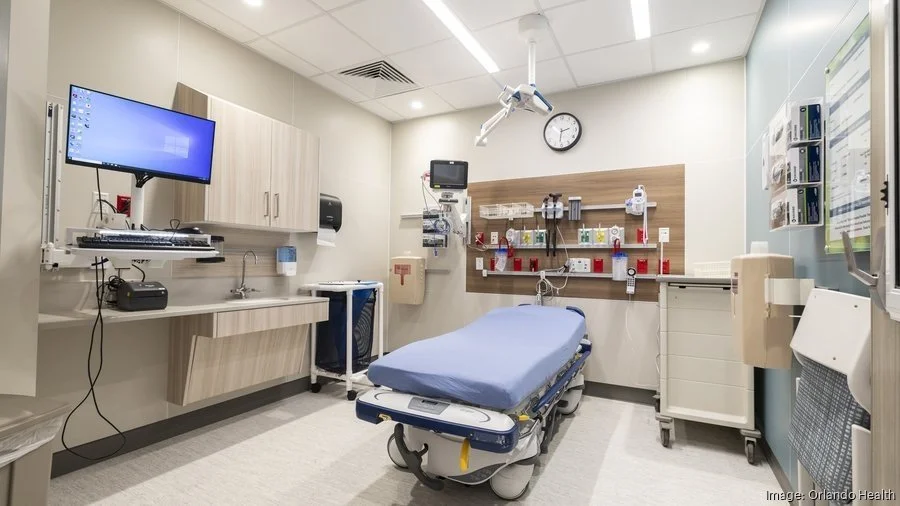
It sounds simple. A headwall is, technically, the foundation of a medical room. It’s the spot for outlets, medical gases, and other key connections.
But here’s the truth most people miss: headwalls are not just about plugging things in. They shape everything else around them, from how a room looks to how it functions, to how it feels for both patients and providers.
At Paladin Healthcare, we believe this is where every conversation about healthcare environments should begin. The headwall is not a box on the wall. It is the starting point for thoughtful, lasting healthcare design. And it has a bigger impact than you might think.
The Hidden Power of Headwalls
Let’s be honest here. Most people don’t notice headwalls. They blend into the background, quietly holding the wires, outlets, and ports that keep a room running. But if you’re a nurse who spends a 12-hour shift in that room or a designer trying to optimize every square foot, you notice everything about it.
Where the headwall is located, how it’s configured, whether it creates clutter or clears it. All of that directly affects the people working and healing in the space.
The architectural design community is starting to recognize this more and more. Headwalls are no longer an afterthought in project planning. They are becoming a key piece of the design conversation because they influence every other decision in the room.
At Paladin, we’ve been leading this shift for years.
Not Just a Headwall
We think about headwalls differently because we’ve seen how they affect daily life inside hospitals and clinics.
It’s easy to look at a headwall as just a box of outlets, but here’s the thing. Those outlets, ports, and connections dictate everything from the flow of medical equipment to infection control processes.
In our work, we often ask clients this question:
Does your headwall simply hold plugs, or does it actively support patient care?