
Translating Care into Systems That Work

A blog contribution featuring NIHD member Angela (Angie) Cox, MSN, MSHA, MSSW.

If you asked Angie what she does, she might tell you she builds bridges between clinicians and technologists, strategy and operations, vision and execution. But her journey started long before smart hospitals and digital transformation became industry language.

Raised with a farmer’s daughter work ethic and a deep respect for service, Angela began her career as a social worker, drawn to the human side of healthcare.  She was drawn to the stories, the vulnerability, and the moments that never appear in a chart but define the care experience.

Yet she quickly recognized something others had come to accept: many of the struggles clinicians and patients faced were not personal failures, but system failures.  So she did what few are willing to do.  She went back to school for nursing.  And then she kept going.

Today, Angela holds five healthcare degrees spanning psychology, social work, nursing, and health administration —not as academic achievements, but as tools to understand healthcare from every seat at the table.
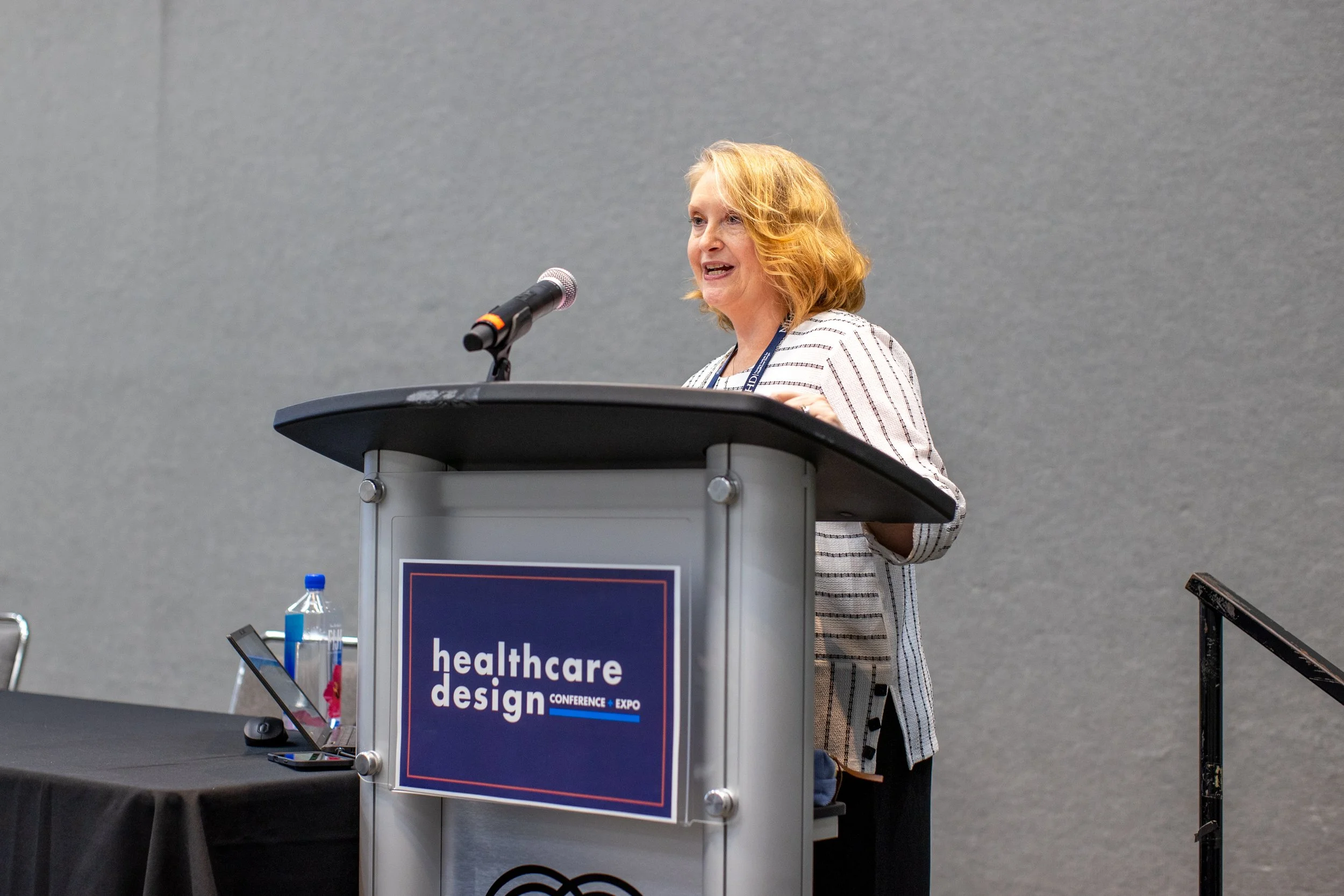
Woman speaking at healthcare conference

Angela Cox, MSN, MSHA, MSSW


Across more than two decades, her work has ranged from the bedside to executive strategy, always guided by a single question:

“How do we design healthcare so it works better for the people inside it?”

Now serving as a Clinical Technology Associate Principal on major smart hospital builds while leading her own firm, Nautilus Solutions, Angela operates at the intersection of clinical workflow, technology, and human-centered design. She is described as the “Rosetta Stone between Silicon and the Stethoscope,” helping innovators translate bold ideas into solutions clinicians will actually use.


A Day in the Life

No two days look alike, and she prefers it that way.

A morning might begin advising engineers on how network design impacts emergency response workflows.  By midday she could be guiding executives on technology adoption.  And before the day ends, she may be shaping strategy that quietly improves thousands of future care experiences.

The common thread is intentional design because Angela believes burnout is not simply a resilience problem; it is often a design problem. And design can be rekindled to help clinicians breathe again.


Favorite Work

Ask Angela what work energizes her most, and she will point to the moments when technology innovators suddenly see healthcare differently.

She is known for bringing real clinical stories into rooms filled with brilliant engineers and technology leaders, translating the complexity, urgency, and humanity of care delivery into workflows that must function in real time.

Again and again, those moments spark a shift: Innovation becomes more practical, implementation becomes more thoughtful, and solutions move closer to supporting the realities clinicians face every day.

For Angela, this is where transformation begins- when insight turns into design that truly serves the people it was meant to support.


Passions Beyond the Blueprint

Angela is energized by the possibility of reimagining healthcare into something more sustainable, more humane, and more worthy of the professionals who dedicate their lives to it.

She is deeply committed to helping healthcare professionals reconnect with what first called them to the field and believes thoughtful design is one of the most powerful ways to make that renewal possible.


A Line She Returns to Often

"Quiet authority builds the legacies that outlast us. By designing environments where clinicians can thrive, we honor the path forged by pioneers and help the next generation rediscover what they love about healthcare."